01
Mechanism-of-action films
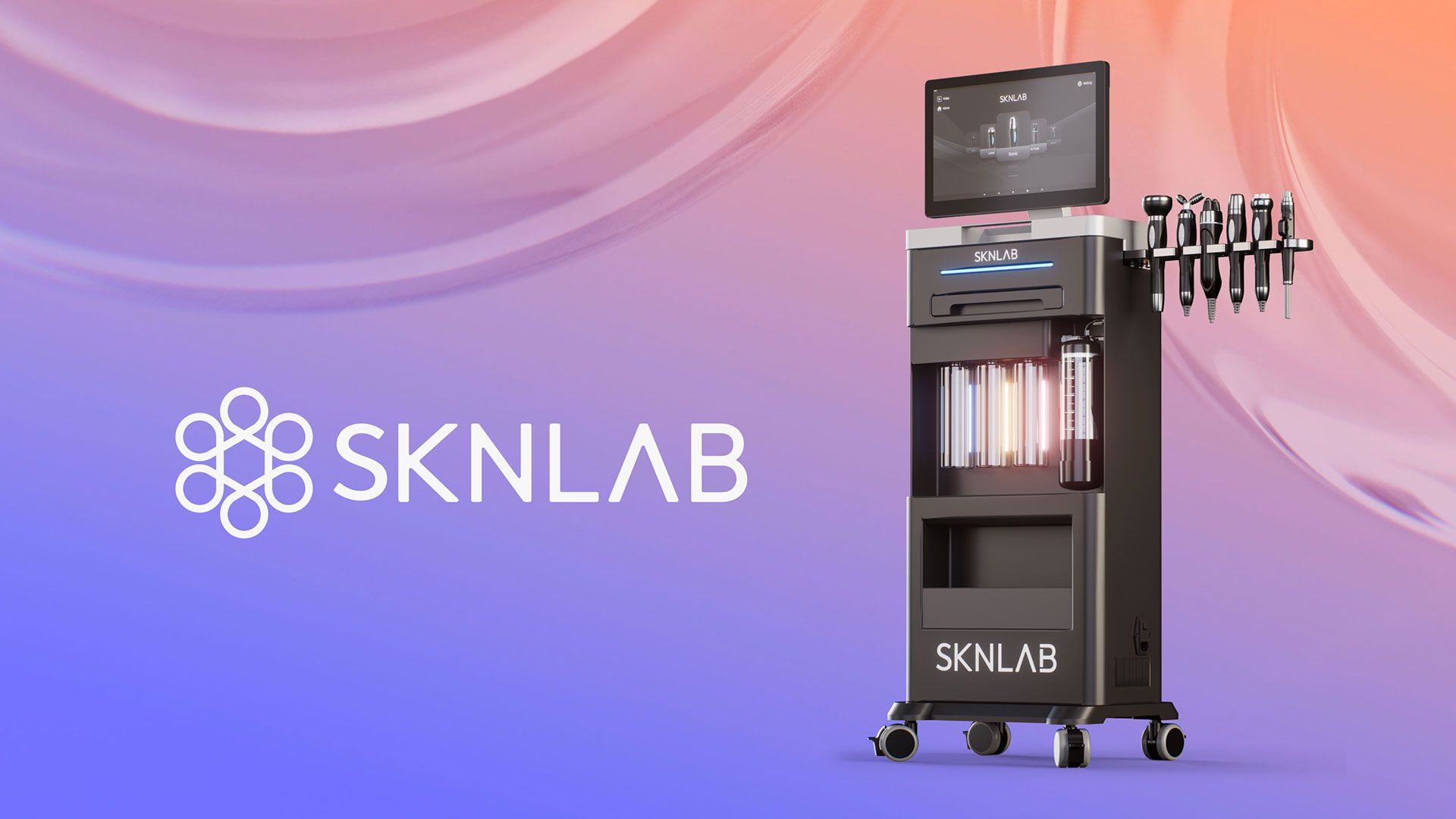
The hero asset. Two to three minutes that show what the device does at the tissue, cellular, or skin-layer level. The most-shared asset in most of our aesthetic clients' marketing libraries.
Aesthetic technology gets bought on what people can see. The mechanism. The treatment area. The outcome. We build the animation that makes every layer visible, credible to the dermatologist who reads journals, and clear to the patient sitting in the chair.

Quick, credible education on why this technology works differently from the competition, fast enough for a busy practice.

High-level education on how the treatment works and what it means for them, clear enough to answer the questions that matter.
In MedTech aesthetics, the buyer is almost always the practitioner. The derm, the plastic surgeon, the practice owner. Manufacturers sell to practitioners. So most of the animation work we do is built primarily for that audience, technical enough to earn the trust of someone who reads journals, specific enough that a sales rep can walk into a consult and put something real on the screen.
But the same animation has to keep working when it leaves the rep's hands. The practitioner who likes it is going to show it to their patients. The version that ends up on their website, in their waiting room, on Instagram, that's the same animation, sometimes recut, often not. So the work has to land for a sophisticated medical buyer, and it has to stay accessible to a non-clinical viewer sitting in the chair.
One mechanism. Two rooms. The animation has to work in both.
The most common reason an aesthetic device animation falls flat: the smartest people in the room aren't in the room. When a manufacturer comes to us with a project, especially one where the device is doing something sophisticated underneath the skin, the single biggest predictor of whether the work will be great is whether we can get the engineers and scientists onto the discovery calls.
This isn't to downplay sales and marketing teams. They know the product story cold. What they don't always know is the molecular, mechanical, or thermal story. What's actually happening to the tissue. Why this device's approach is different from the competitor's. That deeper story is what turns a clean MOA into a credible one.
There's no shortcut. Thirty years of production expertise has taught us that great animation isn't an asset you generate, it's a process you run through.
The first calls are with the people who built the device, not just the marketing team.
The arc, beat by beat. The one thing the viewer remembers when they walk away.
Every shot blocked in low-fi frames first. Cheap to revise here, expensive later.
Storyboards in motion against scratch voiceover. The film's timing locks here.
Materials, lighting, color, until the device looks like the device, not a render.
Animation, audio, finishing. Delivered in every aspect ratio you'll ever need.
Done right, a single MOA animation becomes the source asset for everything below, the patient education cut, the sales enablement walkthrough, the conference loop, the social cutdowns. Build it once. Use it across every sales and marketing surface your device touches.
The hero asset. Two to three minutes that show what the device does at the tissue, cellular, or skin-layer level. The most-shared asset in most of our aesthetic clients' marketing libraries.
Step-by-step visual walkthrough of the treatment in the practice setting. How the device is used, how the patient is positioned, what the practitioner sees on screen.
The same mechanism translated for a non-clinical audience. Softer pacing, treatment area framing, realistic expectation-setting. Lives on patient-facing websites, social, and in-office screens.
Short, silent loops designed to live in waiting rooms, on Instagram, and on practice websites. The content the practitioner uses to keep your device top of mind for existing patients between treatments.
Rep-friendly animation cutdowns for iPad presentations, conference demos, and the live consult conversations that close deals.
Booth loops, conference videos, and demo content built for AAD, ASDS, IMCAS, and the rest of the aesthetic show calendar.
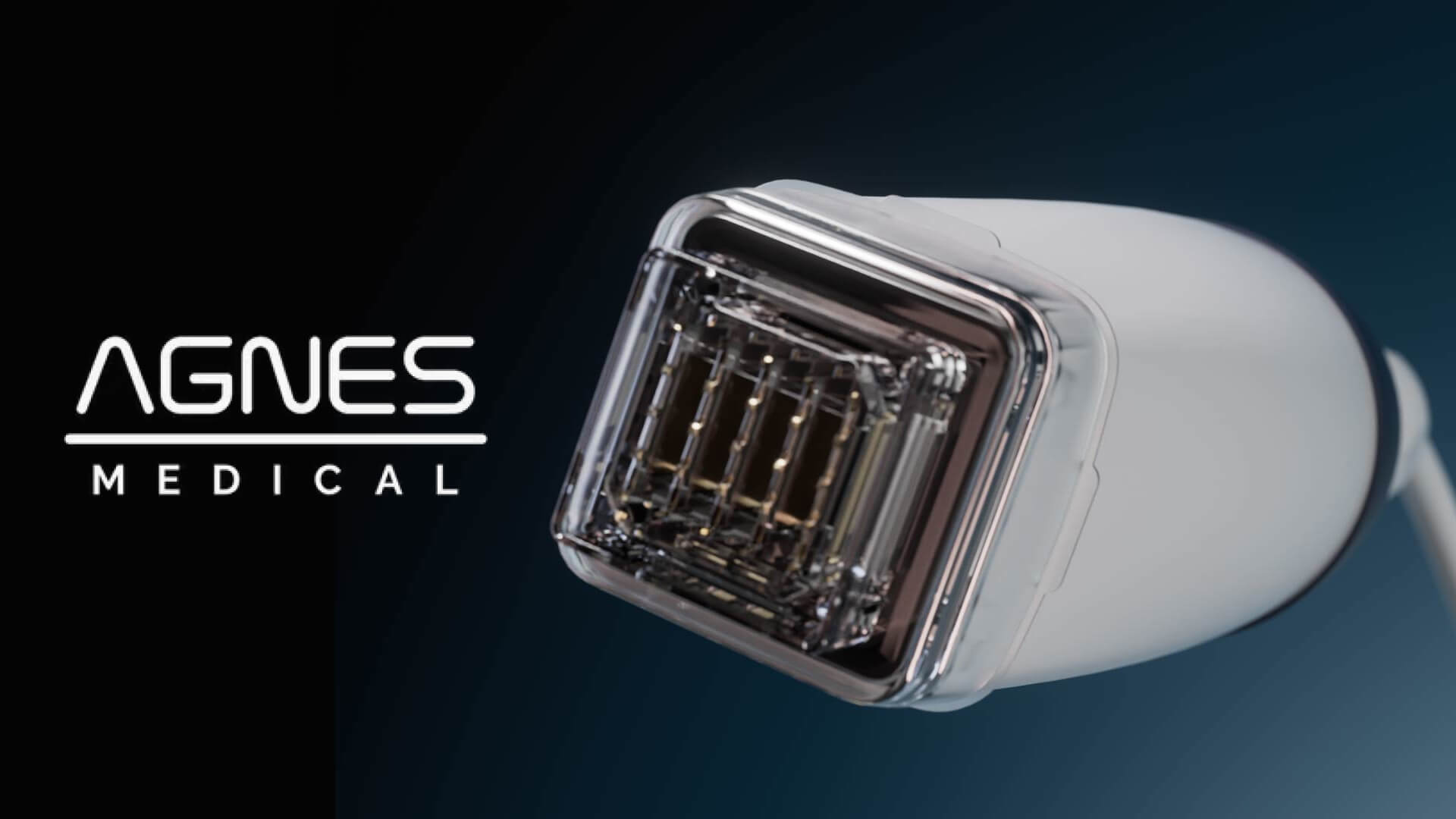
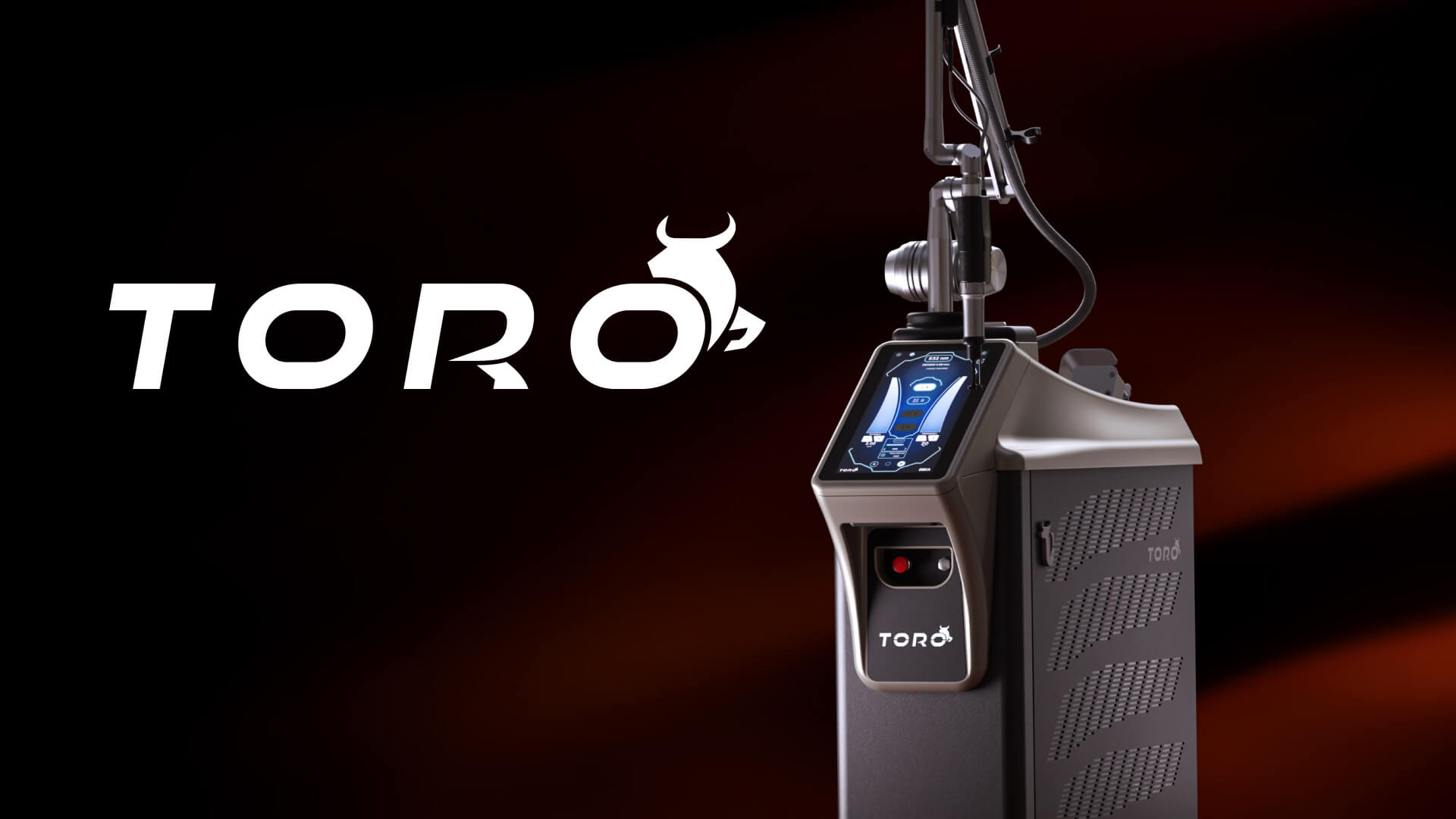
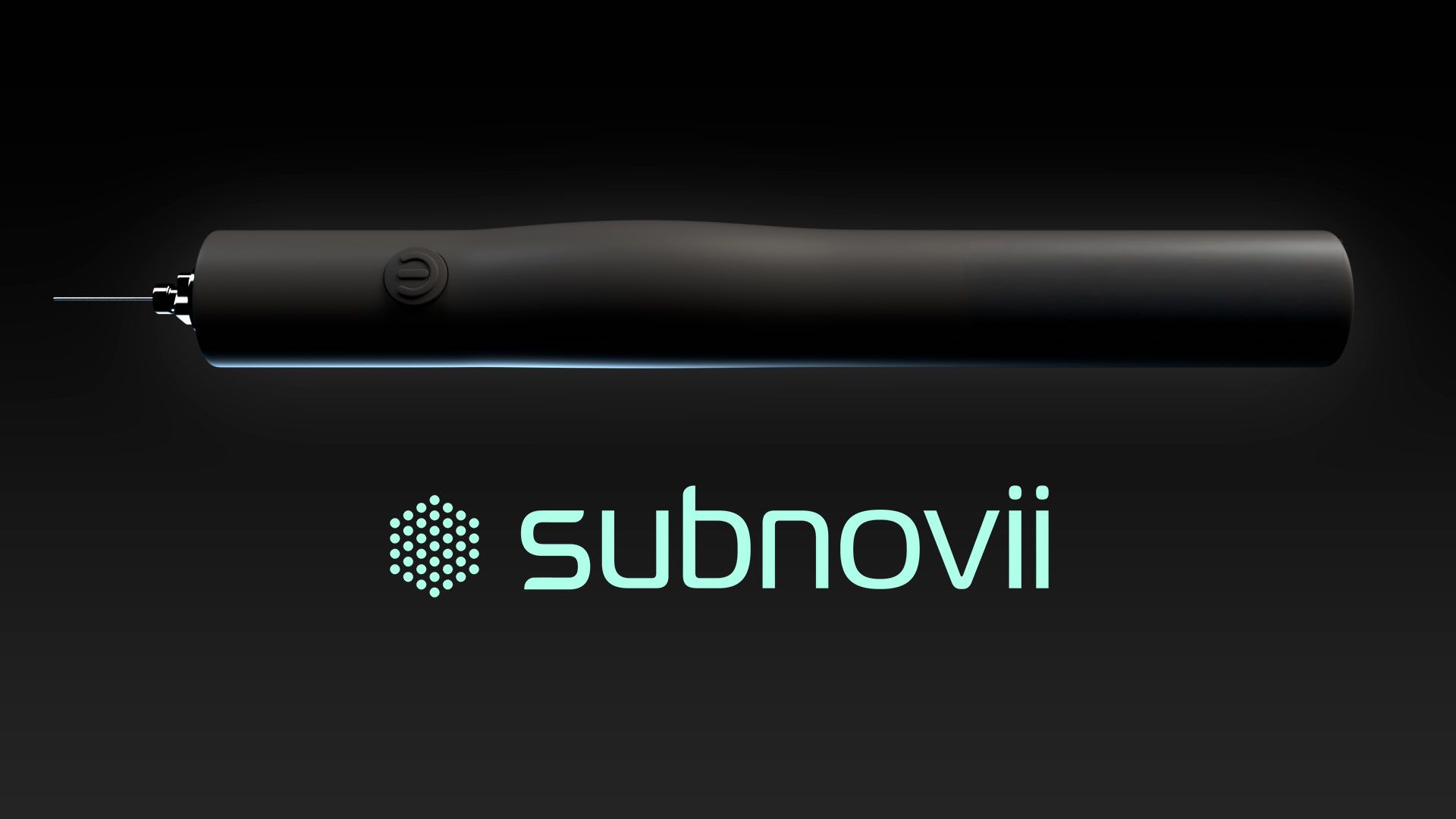
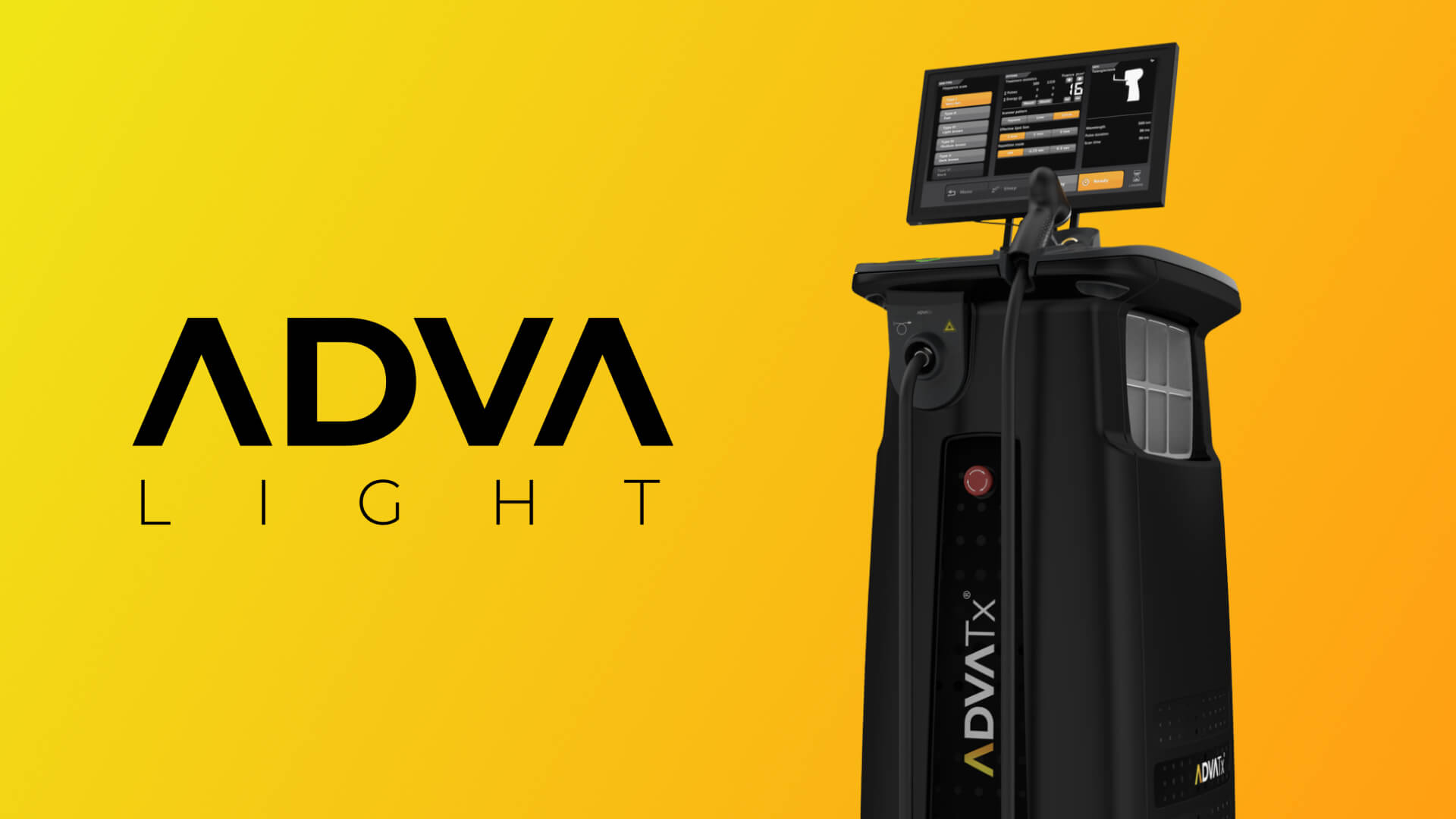
A cross-section of recent aesthetic device projects across energy-based, plasma, laser, RF, and skin technology.
With our unique product in the aesthetics space, we needed to elevate our sales narrative. Vuelab's creative team delivered exactly that, from presentations to 3D animations, our reps now have the tools to truly impress.

From initial concept to final coding, Vuelab's strategic design and content expertise created a standout sales tool that sets our product above all others.
We have a novel medical technology that will require education and support for broad adoption. Vuelab helped us transform our story into a compelling visualization that clearly illustrates our value and scalability.
After three decades of MedTech work, we know what things should cost. Honest numbers based on what the work actually takes.
Strategic planning, script development, visual style exploration, detailed storyboards.
Complete execution from design and animation through finishing, music, voiceover, and final delivery.
Give us a few minutes, and we'll show you how to better visualize your product.
The single most important thing: get your engineers and scientists on the first one or two calls. The reason we make accurate MOA work is because we sit down with the people who actually built the device, not just the sales and marketing team. From there we work directly with whoever runs your clinical, regulatory, and KOL review. We've delivered animations that have passed FDA-relevant claims review, internal clinical review, and external dermatology and plastic surgery KOL review. Bring us the right people early and the review process gets faster, not slower.
Sometimes. More often, we build one animation that works for both audiences and recut it for different placements. The practitioner version goes into the sales deck, the conference loop, the rep's iPad. The patient version is usually the same story with softer pacing, lower-density on-screen text, and longer beats on the outcome side. We scope this at kickoff so the underlying assets, modeling, materials, master sequences, get used twice rather than rebuilt.
We use AI tools across the studio. They're useful for research, look development, voiceover testing, and certain rendering tasks. But the parts of an aesthetic device animation that matter most are the parts AI doesn't do well: clinical accuracy, treatment area realism, the decision about what to render and what to imply, the judgment about when the animation is hiding the device versus celebrating it. That's three decades of craft, not generation. Practitioners in your category can tell the difference between work that was generated and work that was made.
A standard MOA in 8–12 weeks from kickoff. We've moved faster for conference deadlines when needed. Get in touch early and we'll scope to your timeline.
Yes. Aesthetic devices span skin layers, fat, muscle, hair, vascular, and beyond. The underlying tech runs from energy-based to plasma to laser to RF to ultrasound to injectable-adjacent. Our 3D modeling and animation team adapts to any treatment area. The shape of the project changes; the process doesn't.
We work under NDA on pre-launch and confidential technology routinely. We can produce a public-facing animation that protects what's proprietary while still telling a credible story.
Yes. Voiceover in multiple languages, localized text and graphics, market-specific cuts. Aesthetic devices often launch in EU markets ahead of US, and we build the multilingual workflow in from the start when that's the case.
You do. Full ownership on delivery, including source files. We maintain an archive so we can produce variants later, but the original work is yours.