MedTech content, at AI scale.
A marketing agency that knows the content demand of MedTech, working at the pace of AI.
A launch isn't a moment. It's a year of content, and the year doesn't wait.
The website. The sales deck. Months of social. Email. The trade show wall. KOL decks, training materials, investor updates. Every channel wants its own version, at its own size, on its own schedule. Then the next product starts, and the first one still needs feeding.
Keeping up used to mean hiring a large team. It doesn't anymore.
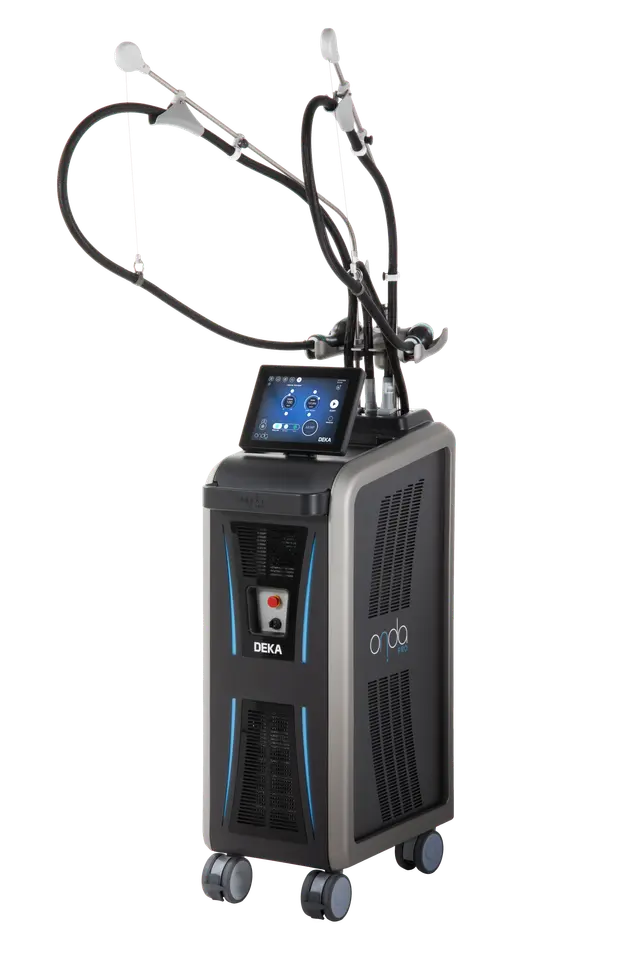
The possibilities are limitless.
Build a launch library that feeds every sales and marketing channel you have.
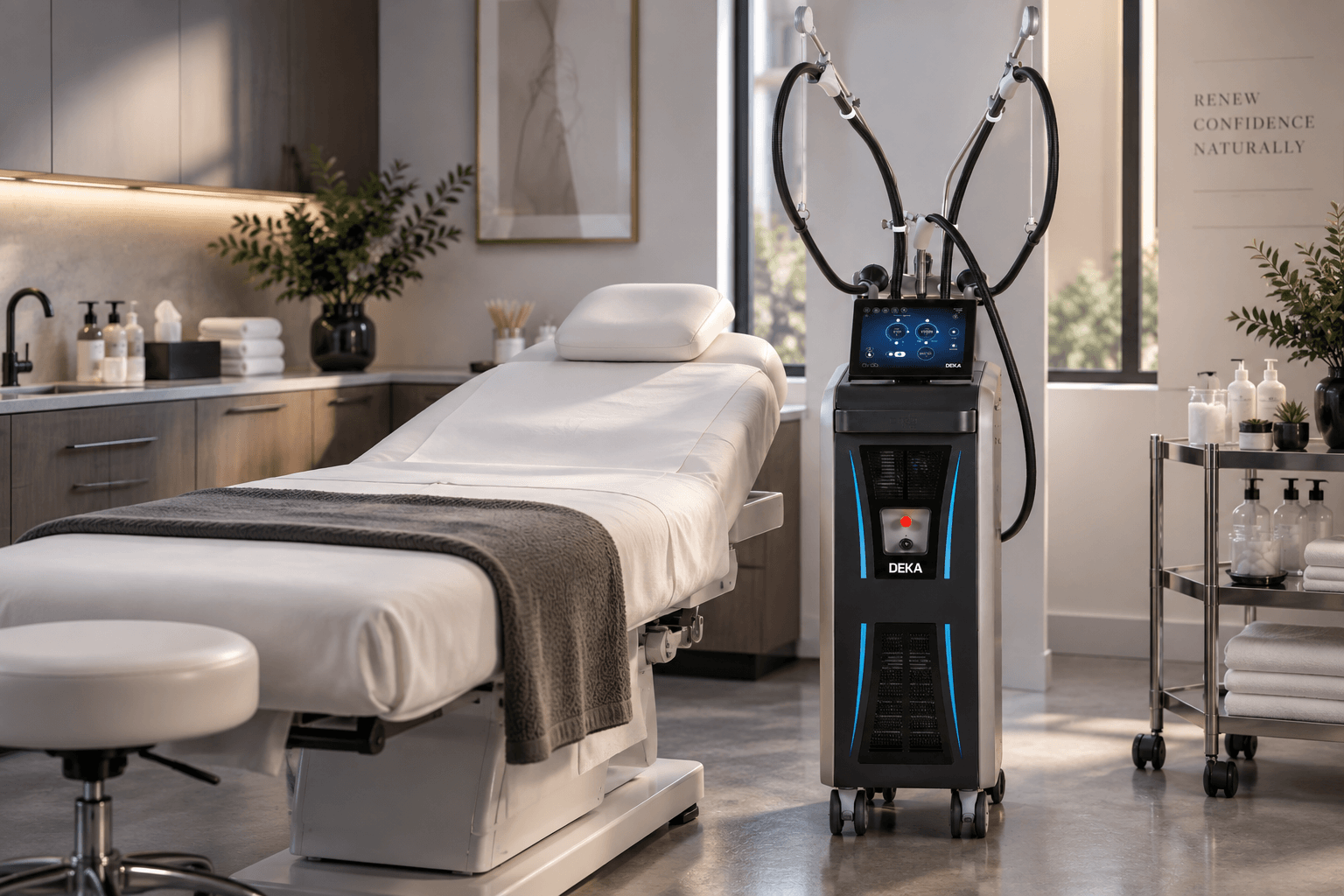
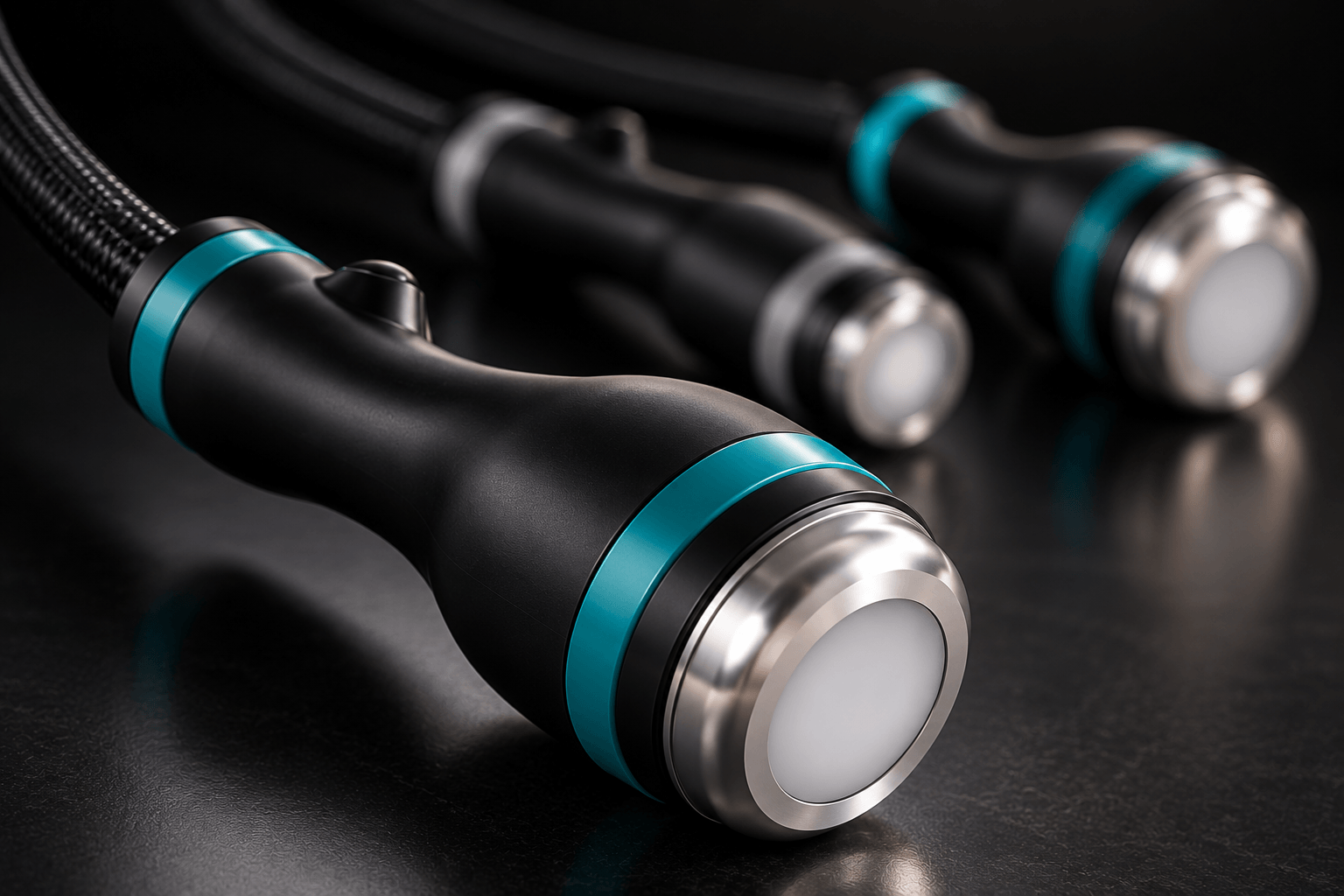
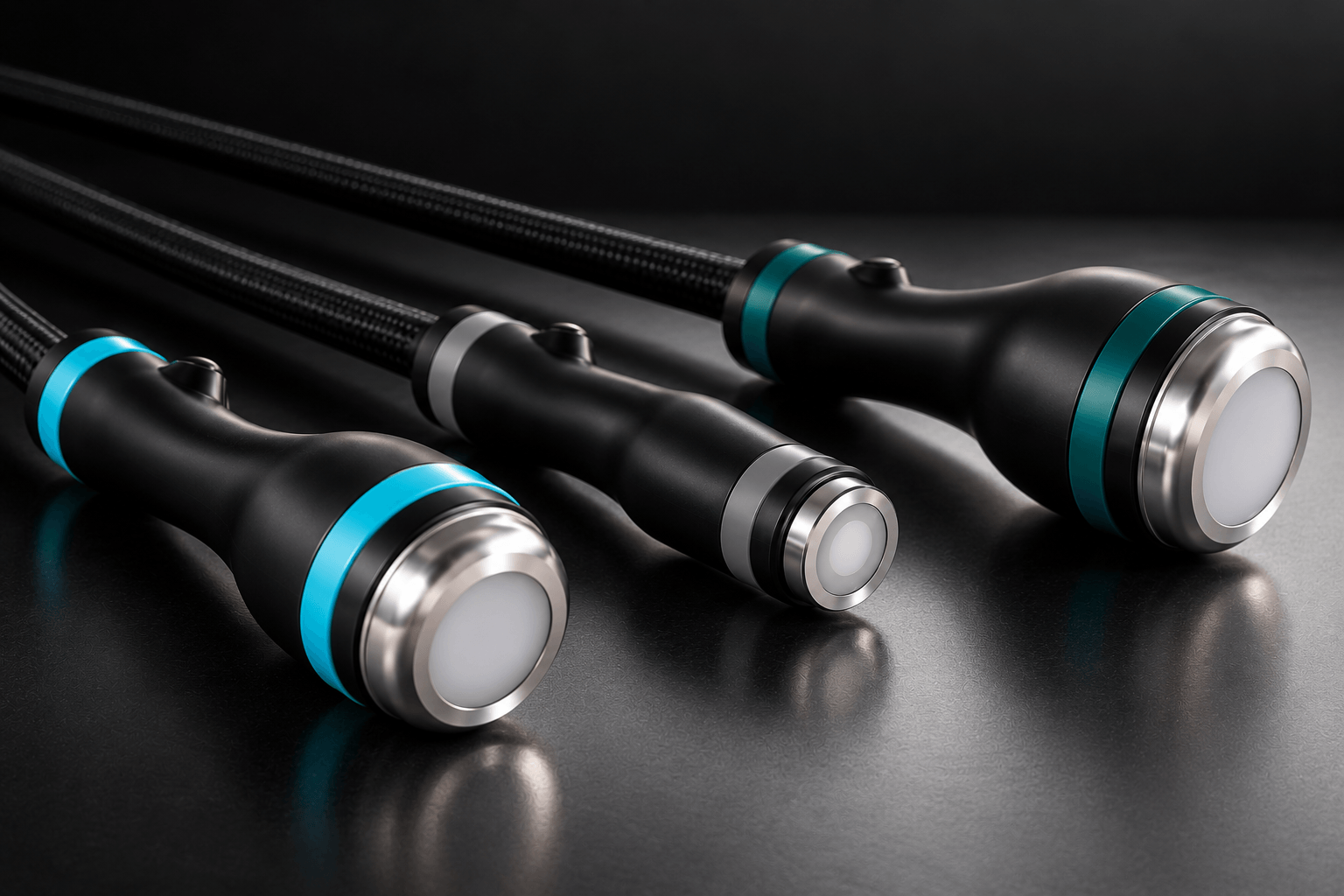
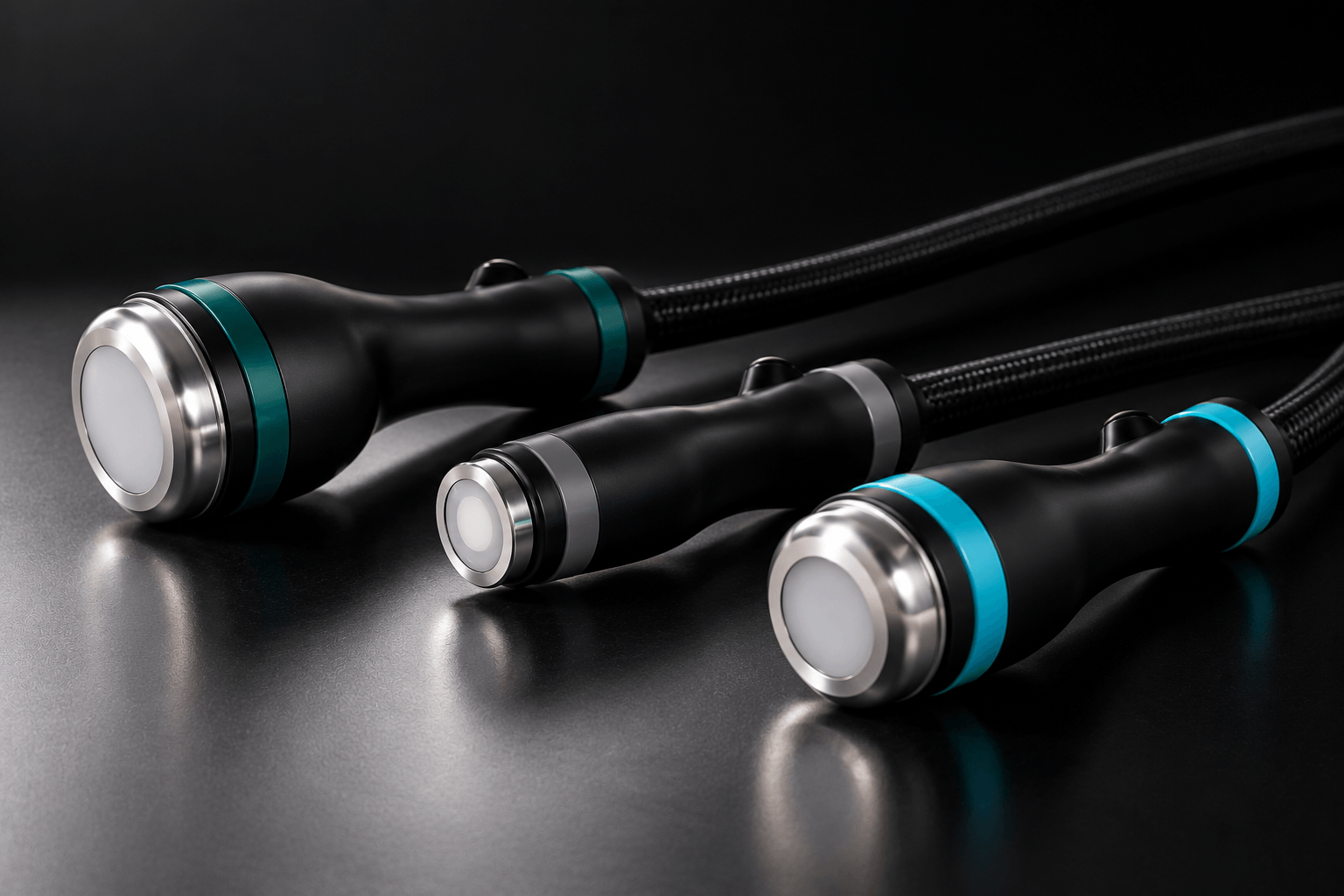
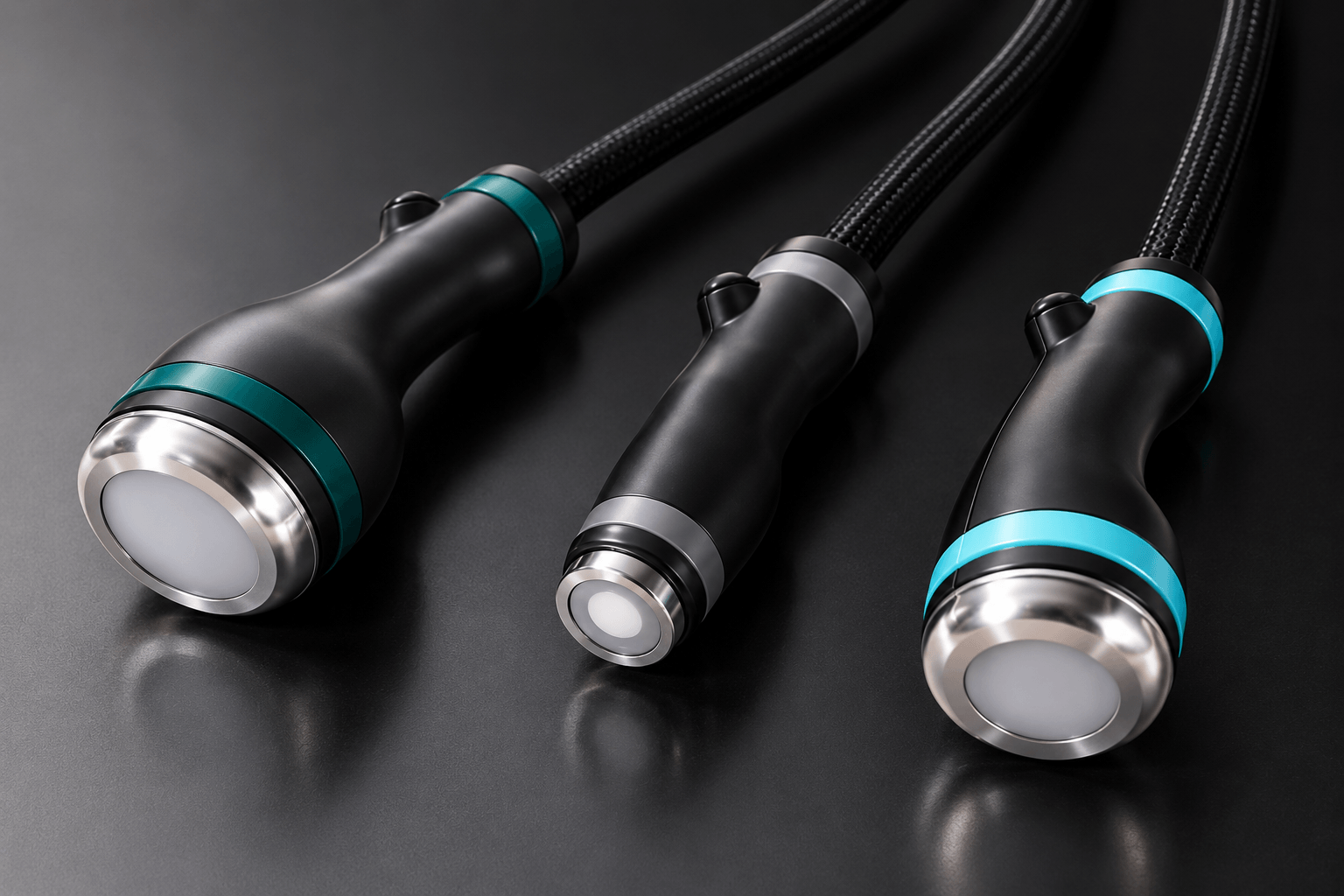
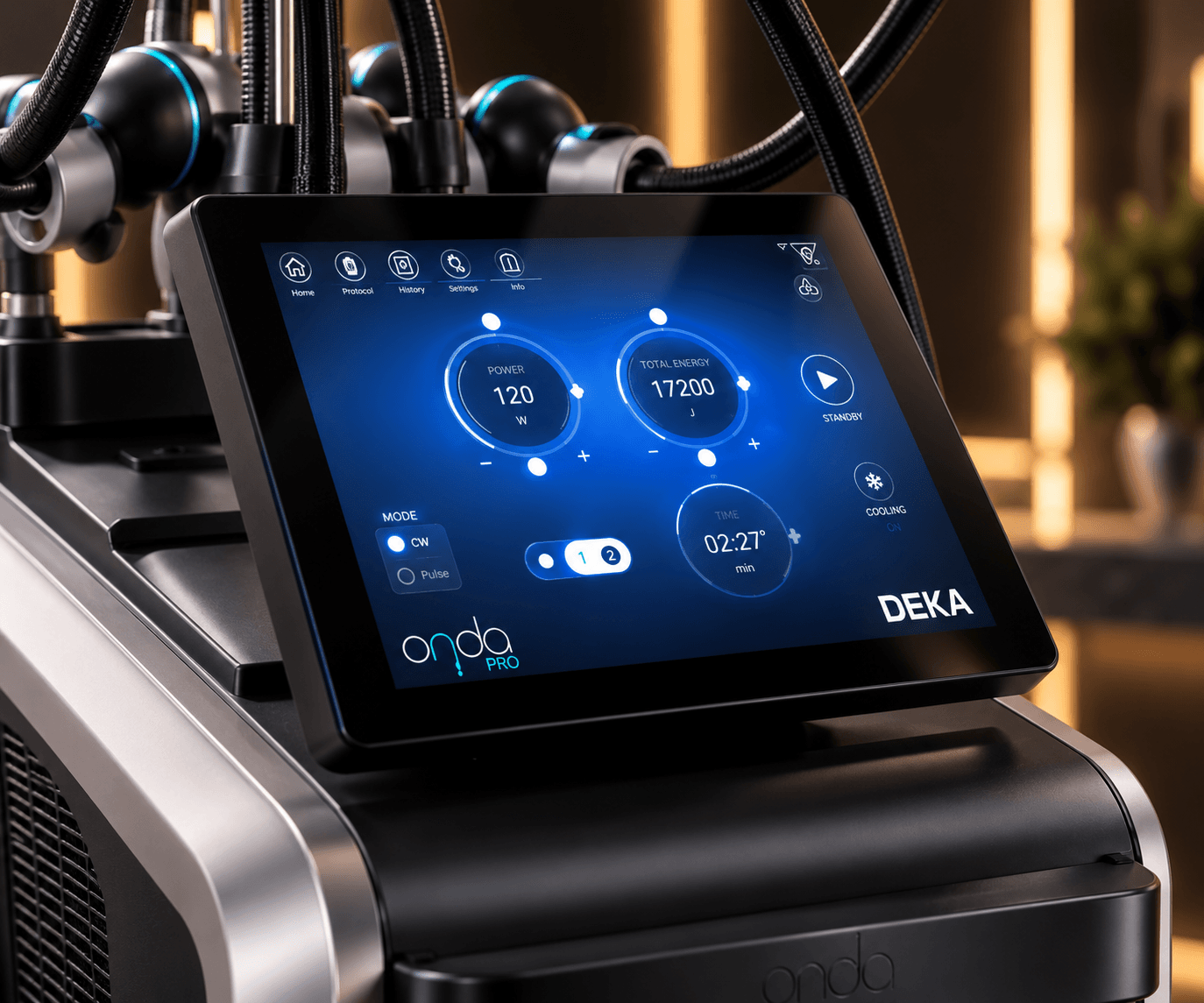
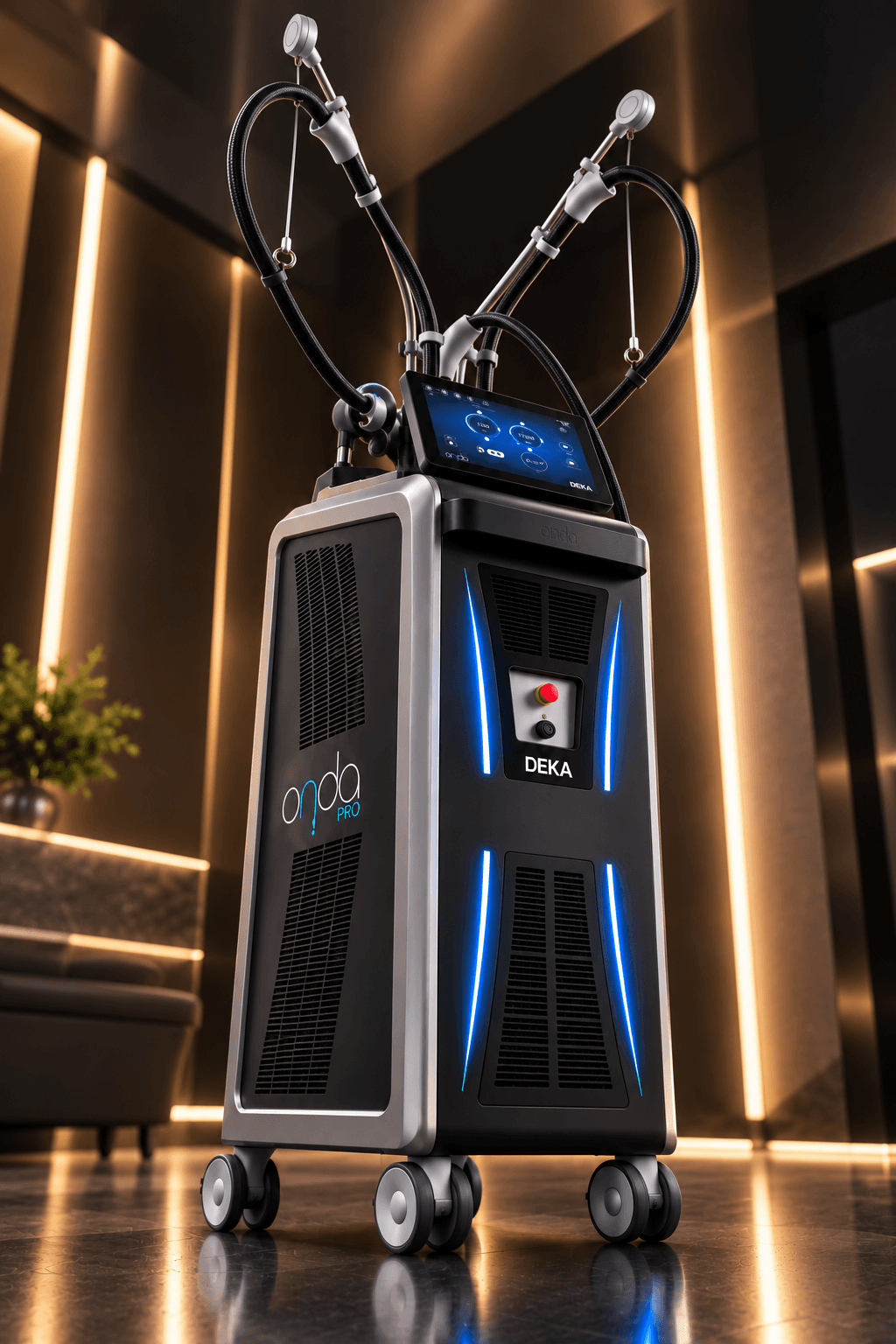
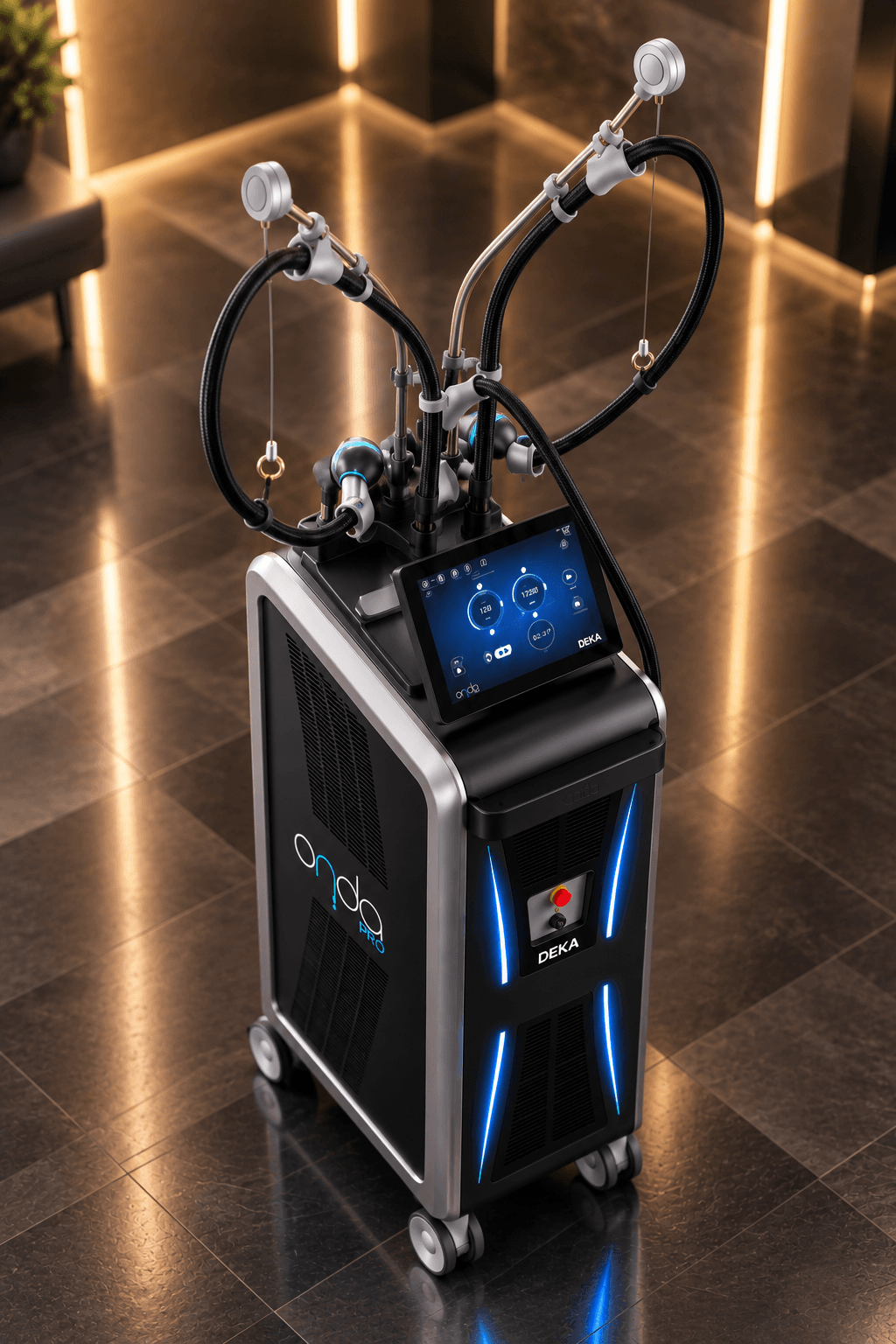
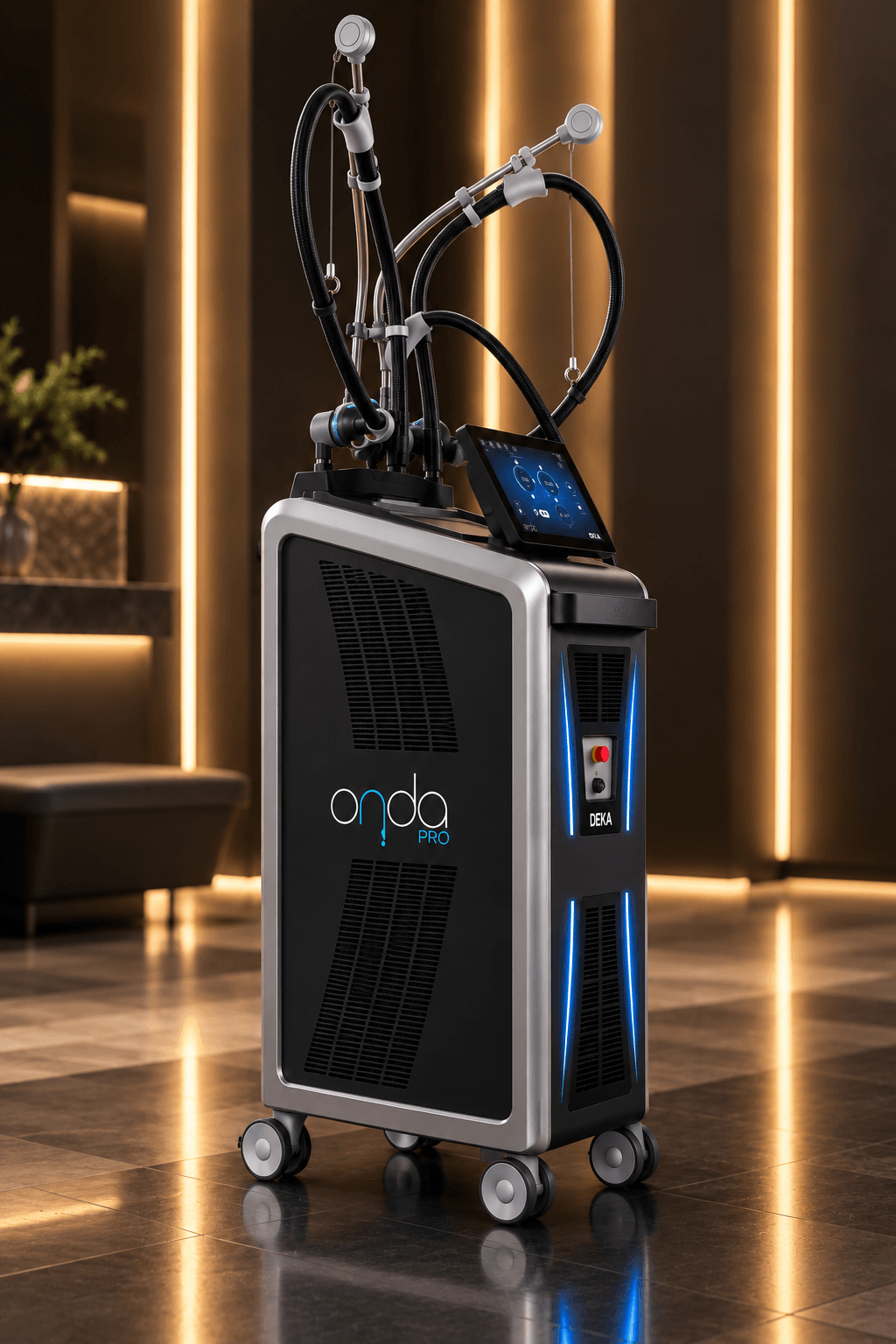
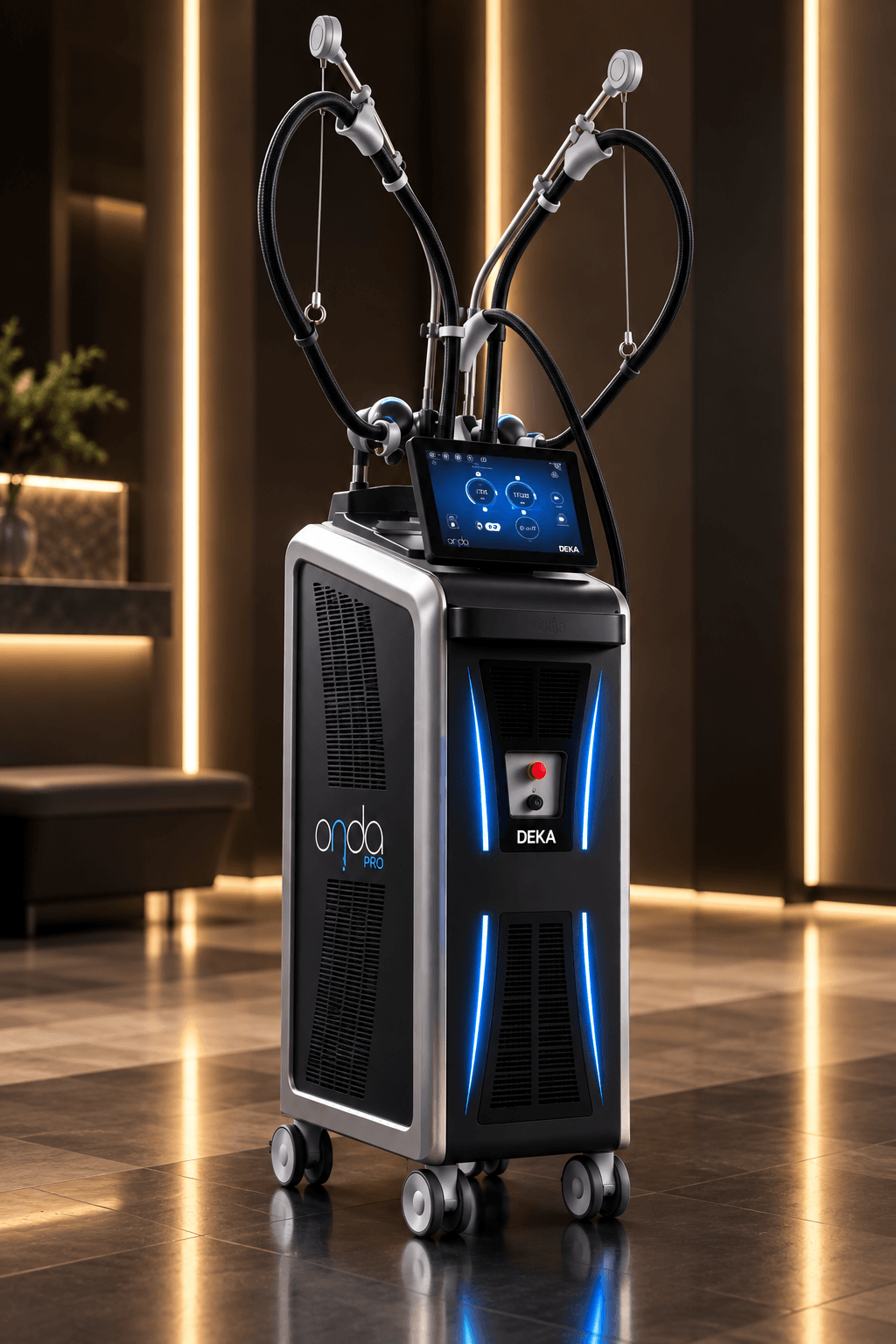
A creative team that understands the AI landscape.
Language models. Image and motion generators. Voice. Research agents. We work with the modern AI stack every day — we know what each tool does well, where each one fails, and how to make them work together for MedTech content.
Each tool solves a specific problem. None of them ship on their own. Senior creative direction is what turns them into a launch library that clears review.
An AI content engine. Designed to scale.
TYBR Health needed a full post-clearance content ecosystem for B3 Gel: brand, web, product story, MOA animation, sales materials, campaign creative, and the visual assets their team could keep using after launch. AI accelerated the volume; senior direction kept the work MedTech-accurate.
View TYBR work →
Ready to build a content engine?
See how we leverage AI to build a scaled content program for your MedTech product.
Have a question instead?
Send us a note.
Questions we get about AI
Is this just AI-generated imagery?
No. Generated imagery is what you get from a prompt. What's on this page is what you get from a creative director briefing the tools, rejecting most of what comes back, and directing the next round. The difference isn't visible in the tool. It's visible in the work.
Do we need CAD files, or can you work from photos?
Photos are enough to start, which is the point of the example above. If you have CAD, better: it becomes the source of truth for geometry and we build from it. If you don't, or the device isn't in production yet, we can still get you to a full library. What you bring changes the route, not the destination.
What about clinical and technical accuracy?
AI doesn't know what your device does, and it will happily invent a port that doesn't exist. Every output is checked against the real product by a person before it leaves the studio, and anything that makes a technical or clinical claim goes through the same review any Vuelab asset does. Where accuracy matters most, mechanism of action and anatomy, we still build in 3D, because that's where control lives.
Where does this fit with 3D animation and mechanism-of-action work?
Alongside it. Mechanism of action, surgical procedure, and anything that has to be anatomically exact are still built in our 3D pipeline. What this method changes is everything around that: the renders, the environments, the social volume, the campaign creative, the hundred assets a launch needs beyond the hero film. The two share one visual language, so the library reads as one device.
Who owns the assets, and can we use them anywhere?
You do, on the same terms as any Vuelab engagement, for every channel you sell in. We only work with tools that meet our data-handling standards, so your product, your unreleased work, and anything sensitive stay protected. [TODO(Tim): confirm this wording against the standard agreement.]
How long does a library like this take?
Days, not months, once the direction is set. The direction is where the time goes: understanding the device, its category, and what each channel needs from it. Skip that and you get volume without a point of view, which is what most AI content looks like.
Will you tell us what's AI-assisted?
Yes, always. You know what you're buying and what you're putting your name on. We've been upfront about this since we started using these tools, and we'd rather lose a project than blur it.
We already have a marketing team. Where do you fit?
Usually as the production capacity they don't have. Your team knows the product and the market; we give them a library to work from and a partner who can produce at the volume a twelve-month sales cycle needs. If you don't have a team, that's a different conversation, and it's the next box down.