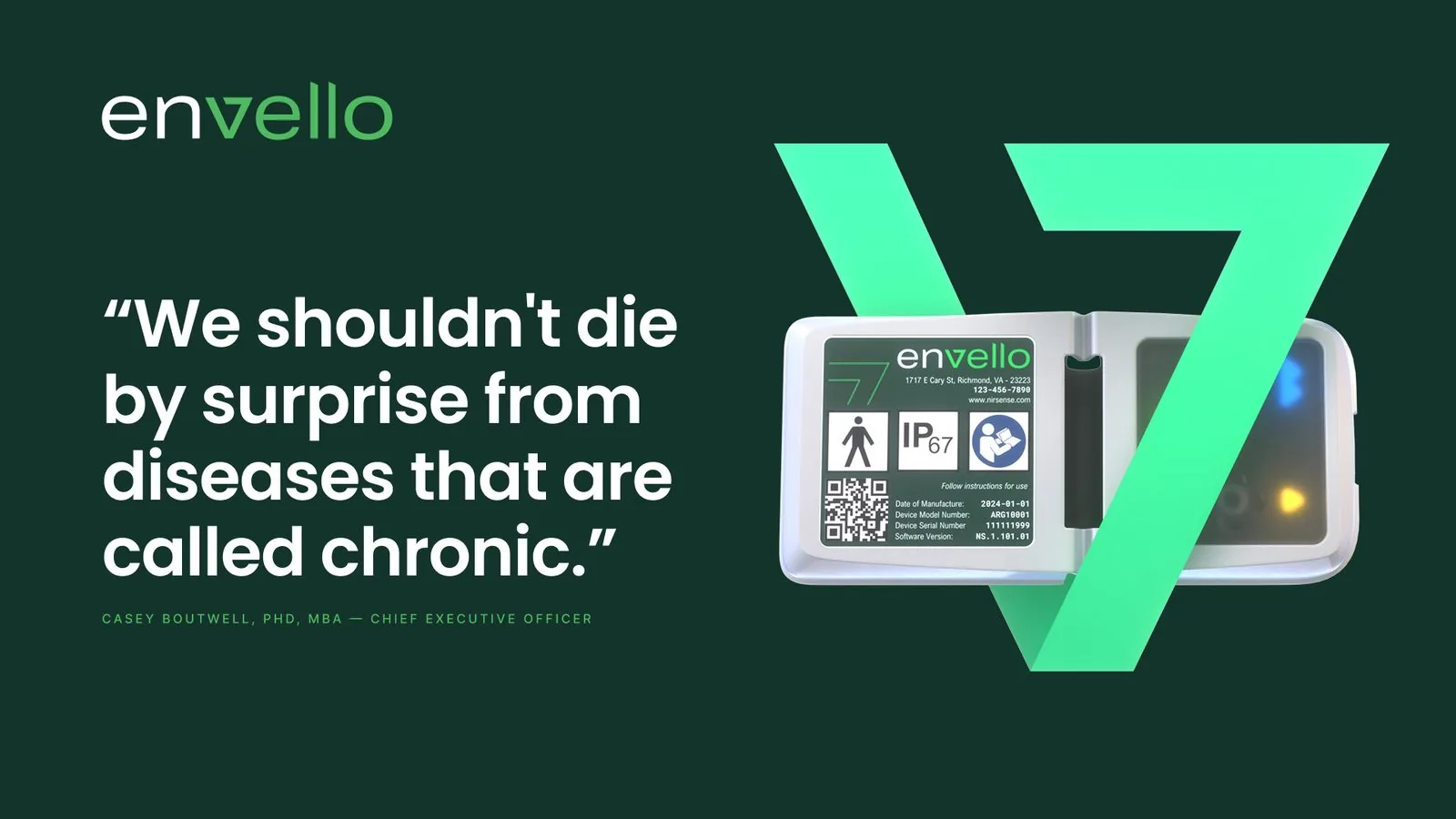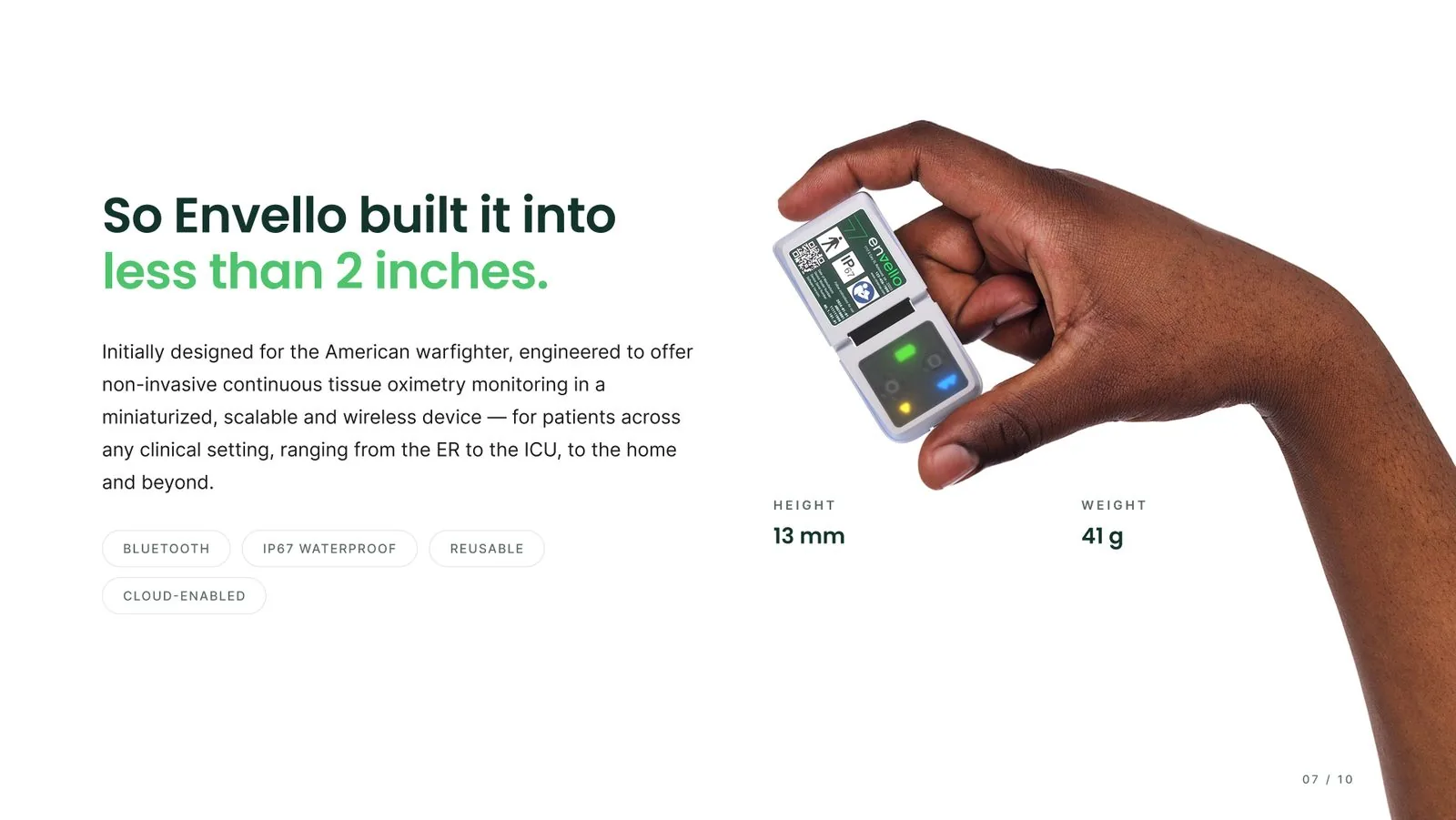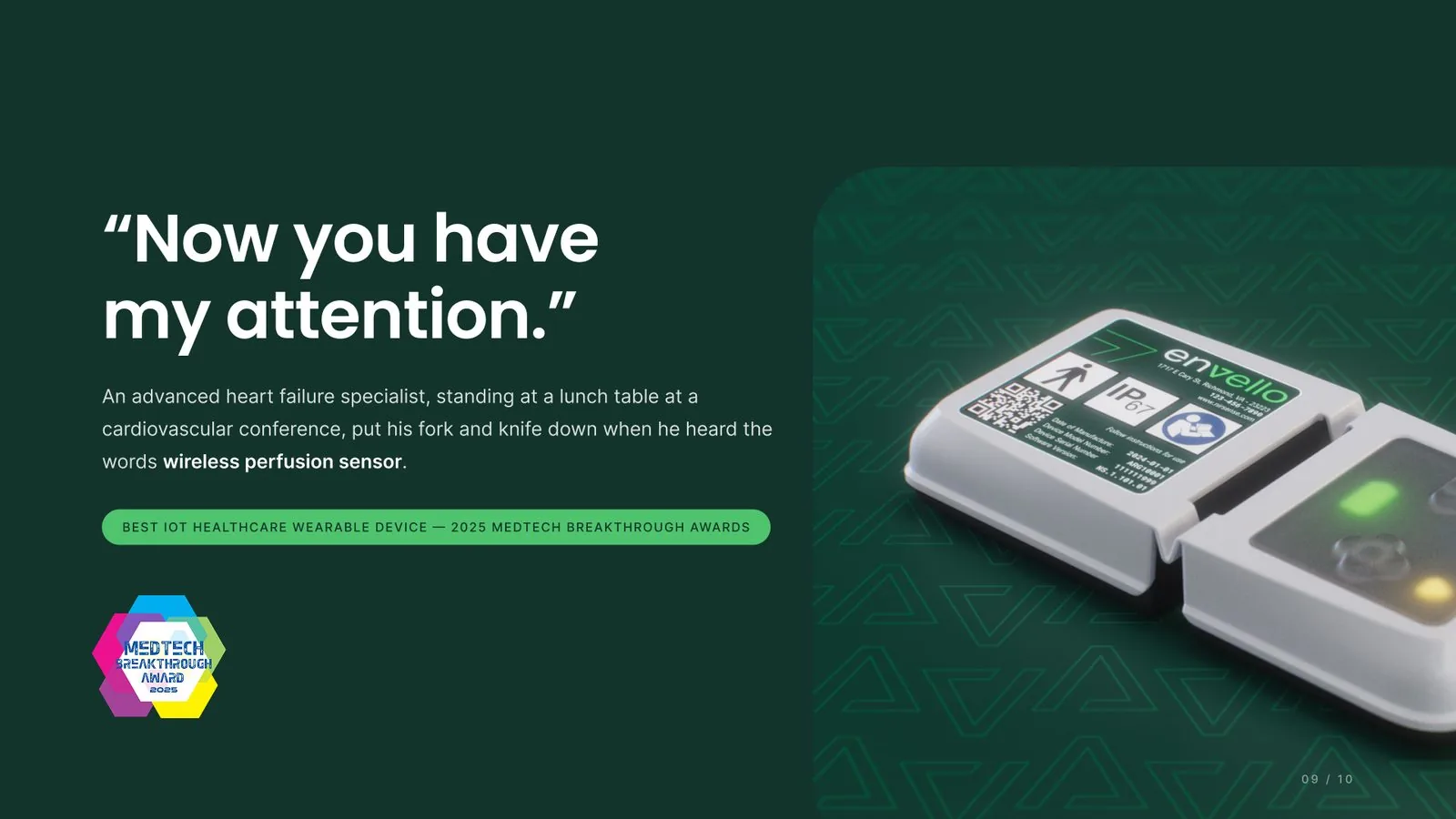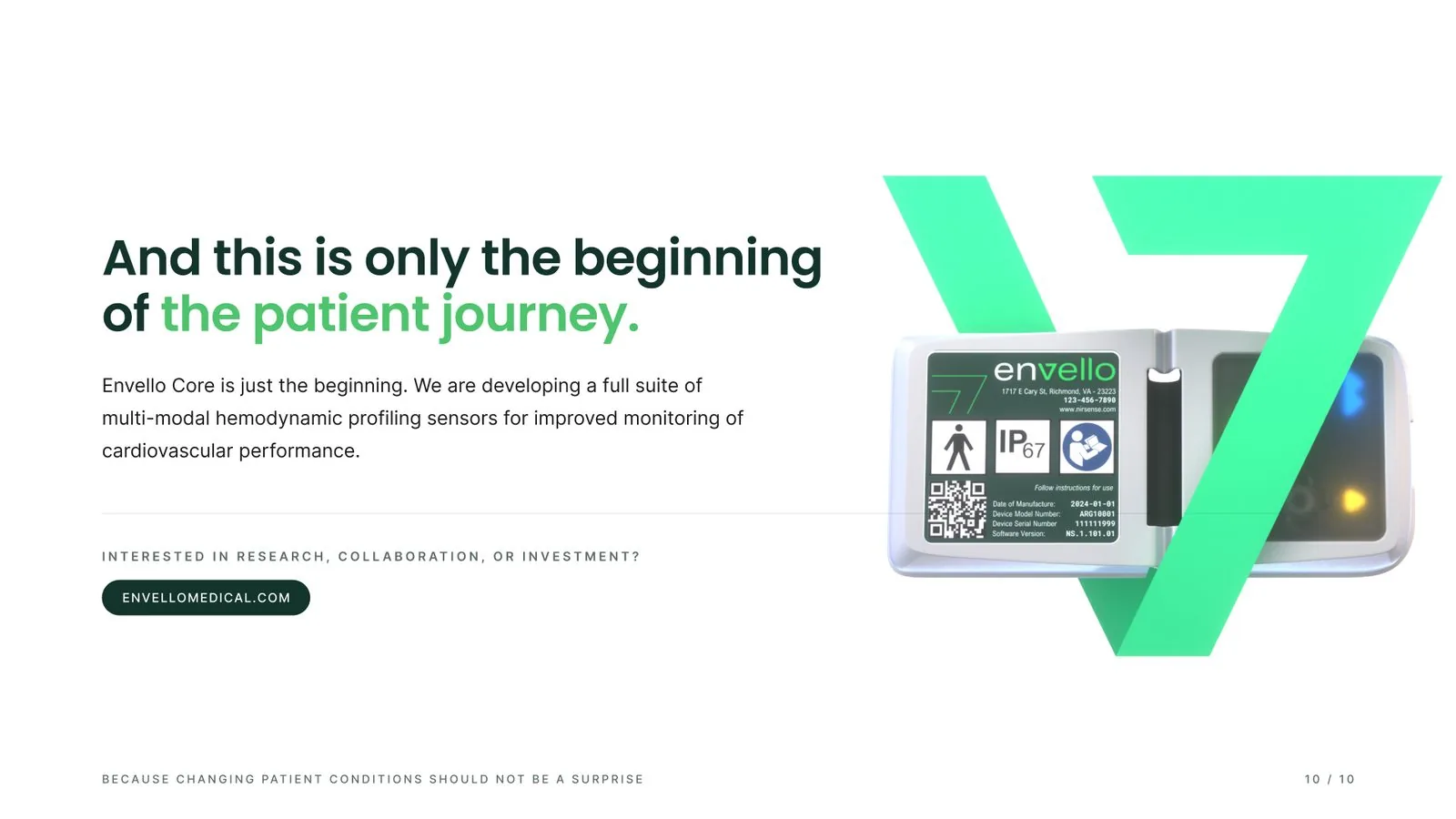
Envello Medical makes a small wearable sensor, about two and a half inches long, that uses near-infrared light to read how much oxygen is actually reaching the tissue under the skin. The technology was first developed at NIRSense for the U.S. military. Envello is bringing it to civilian care, starting with heart failure.
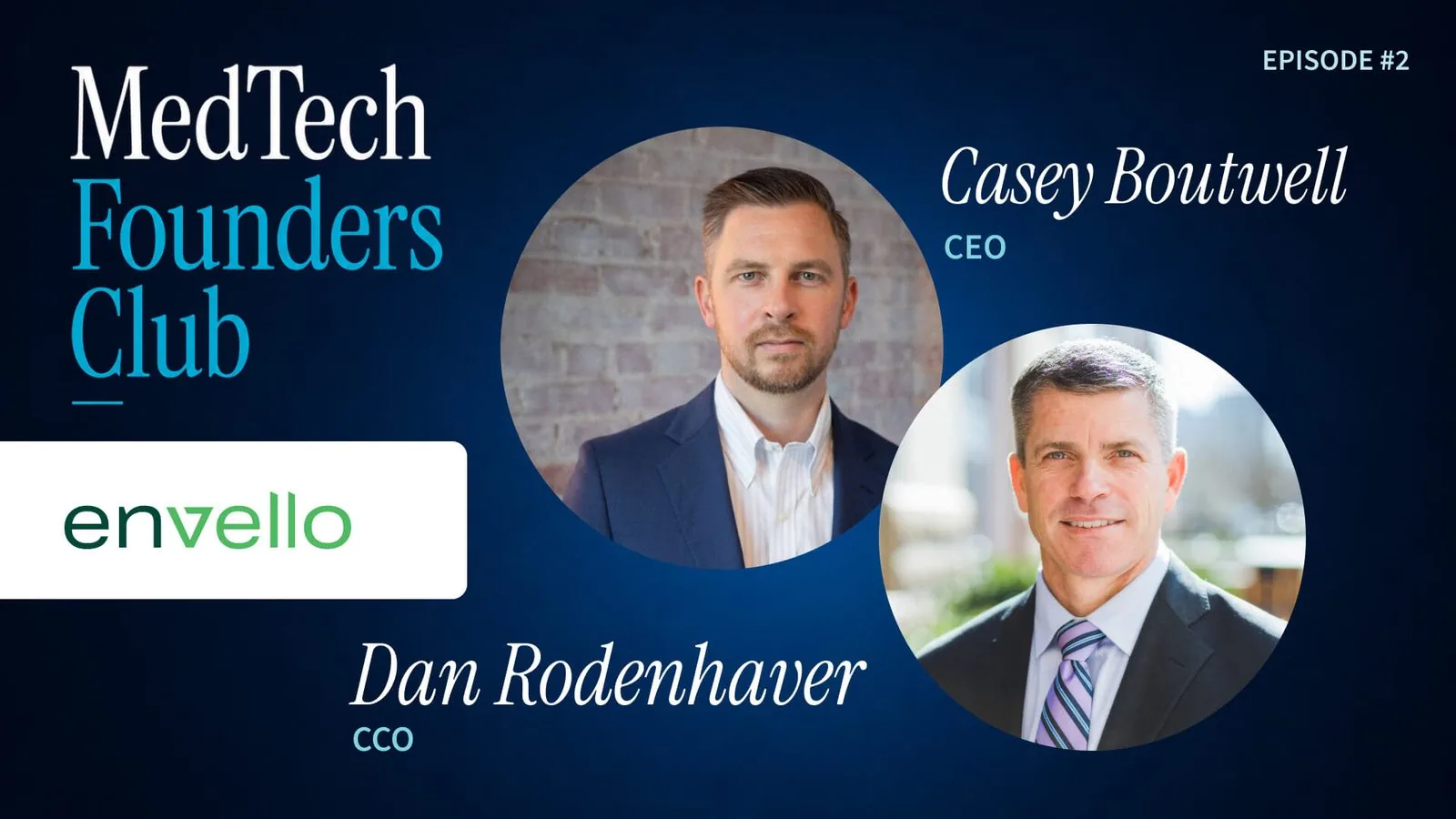
In this episode of the MedTech Founders Club, NIRSense founder Casey Boutwell and Envello Chief Commercial Officer Dan Rodenhaver talk with Tim Dingersen about the defense funding route few founders consider, how they chose their first market, and what it takes to commercialize a device after the science works.
What tissue perfusion is, and why it matters
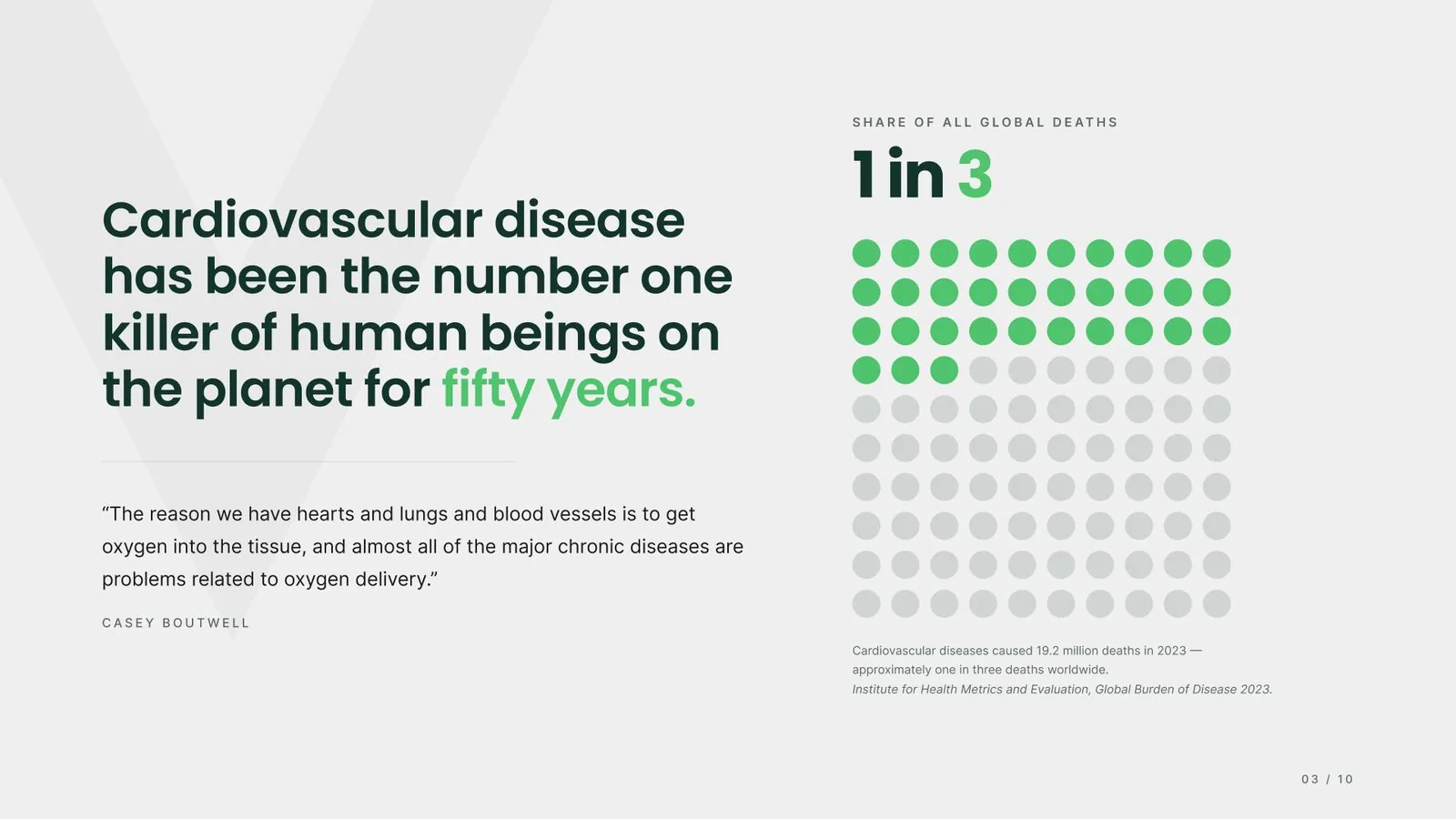
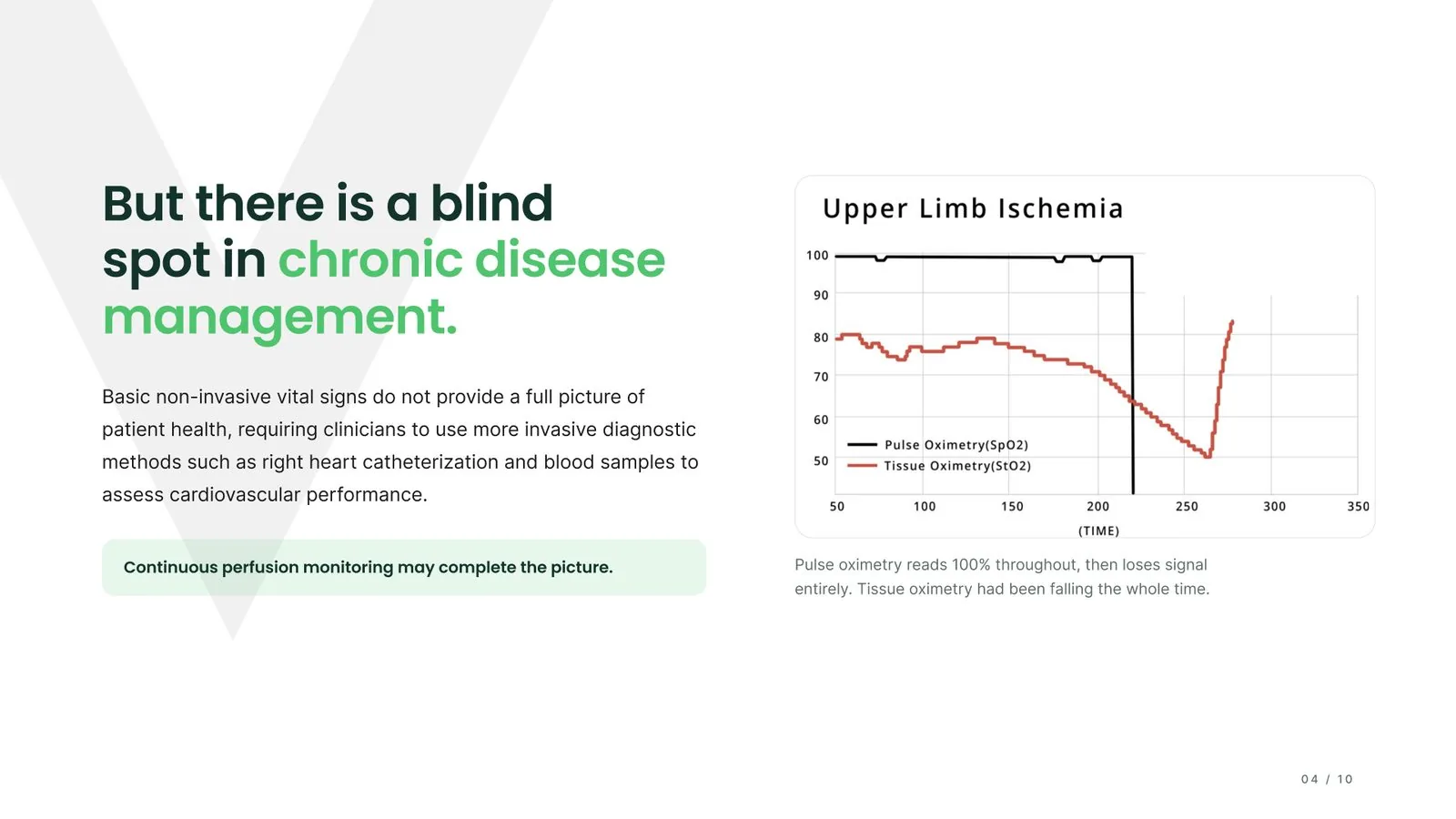
The heart, lungs and blood vessels exist to get oxygen to the tissue, and most major chronic diseases come down to problems with that delivery. Hospitals measure the big things, like blood pressure and heart rate, but those don't show whether oxygen is reaching the smallest capillaries. The tools that can are large, expensive boxes found only in parts of the hospital.
“Shockingly, there is no other easy way to manage that.”
Dan compares it to last-mile delivery. FedEx and UPS were great at moving packages between hubs. Amazon figured out how to get the package to your doorstep. Tissue perfusion is the package arriving at the door, and today there is no easy way to see it.
Starting with the Department of Defense
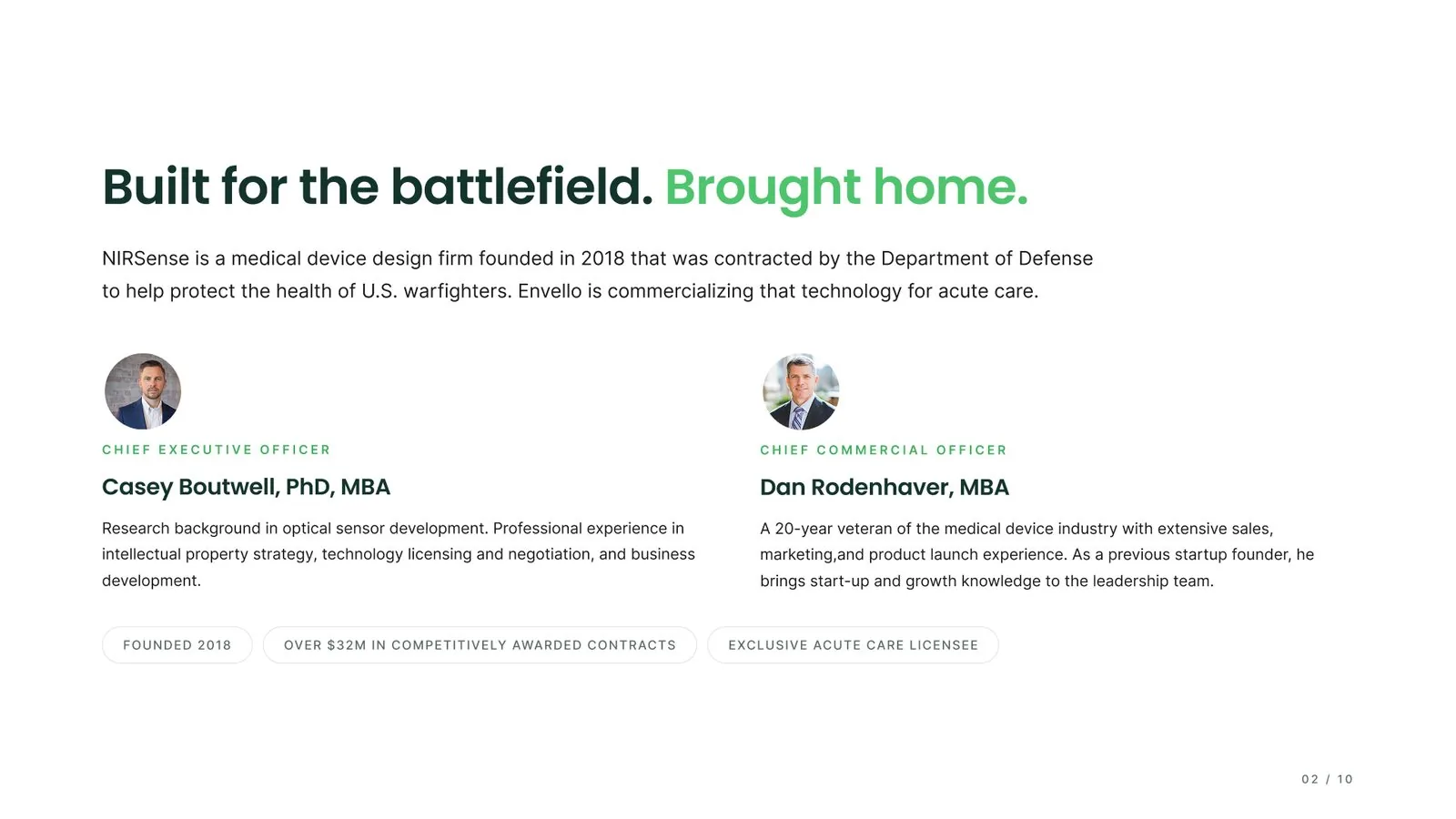
Casey's first company, NIRSense, was a research and development firm working with the military. It pitched solutions to specific problems, and won funding for fighter pilot monitoring, battlefield hemorrhage, diver monitoring and more. Every civilian doctor he called wanted the technology for something, which created a new problem: where to start.
“There are a lot of other people in our neighborhoods who are dying from stuff that these sensors should be able to help.”
Envello was spun up to take the most mature system into civilian care. The military values that kind of dual use, Dan explains, because a large civilian market lowers the cost of the devices it needs and keeps the company sustainable. Their example: tourniquets in the field and peripheral artery disease at home both starve a limb of oxygen, but far more people live with the disease.
Why defense funding is different from grants
Few medtech founders consider the defense route, and Casey and Dan think more should, with a warning: it is a new language of networks and acronyms. Groups like the Medical Technology Enterprise Consortium and the Defense Innovation Unit help connect companies to the work.
The biggest difference, Casey says, is that defense funding starts with a defined problem and success criteria. Instead of a grant that asks you to give it a try, you hear the customer's problem in the customer's words, and success leads to an acquisition contract.
Choosing the first market
When Dan joined, the list of possible markets ran from athlete performance to neurotrauma. He built decision criteria around three questions: does anyone care, can we do it, and can we get paid for it. Perfusion is the purpose of the cardiovascular system, so he started attending heart failure conferences as an attendee, listening to clinicians and asking questions.
“Does anyone care, can we do it, and can we get paid for it?”
The moment it clicked came at a conference lunch table. When they told a leading advanced heart failure specialist, Dr. David Baran, that they had a wireless perfusion sensor, he put down his fork and said, now you have my attention. The best pitch turned out to be a single sentence.
Taking the monitor to rural hospitals
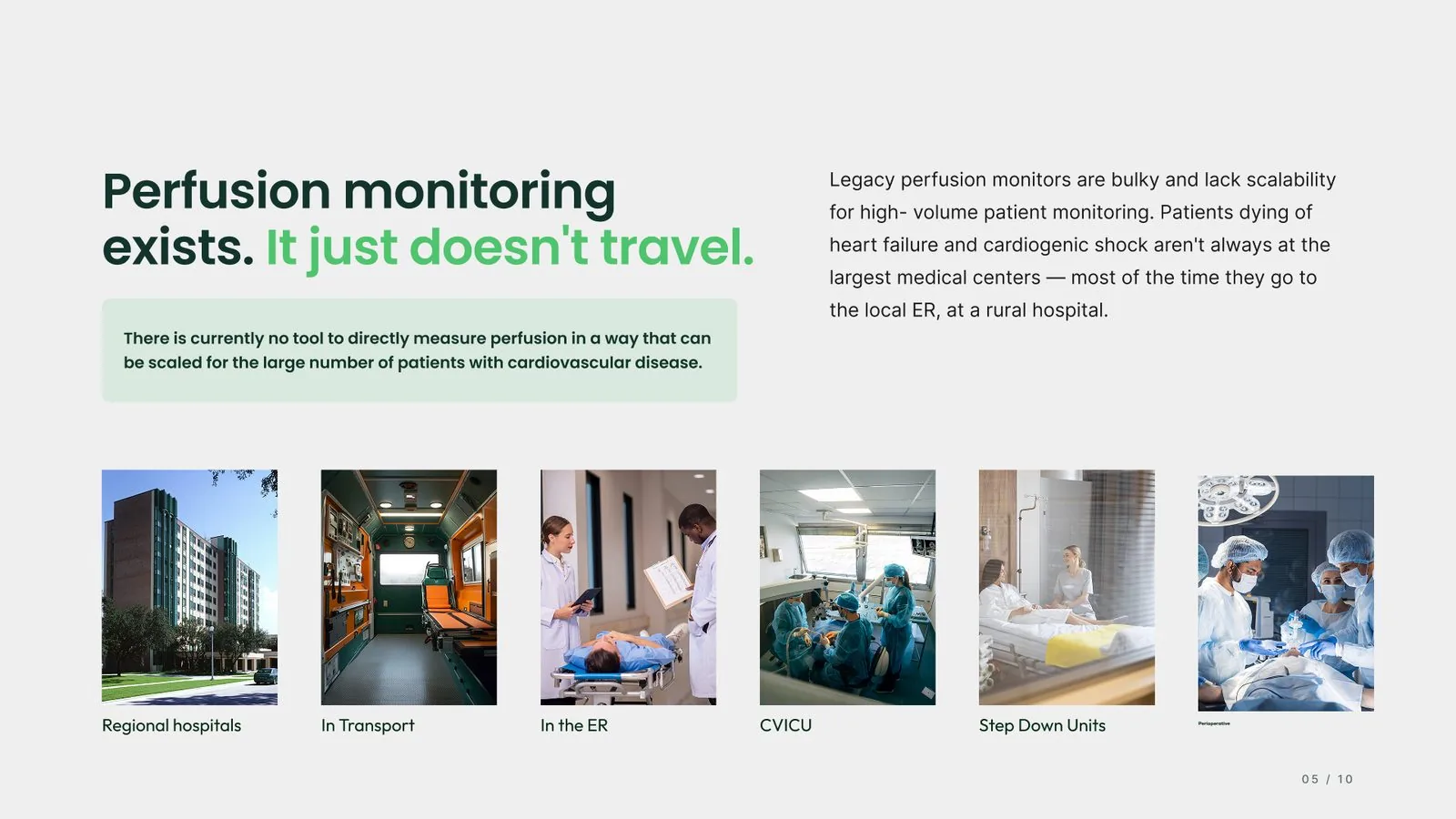
Many heart failure patients don't arrive at a major heart center. They walk into a local emergency room. Without an early warning that a patient is getting worse, they reach definitive care late, when treatment is most expensive and outcomes are worst. A simple, reusable sensor built for trench medicine can travel to the edge of the health system, where those patients are.
The business case hospitals care about
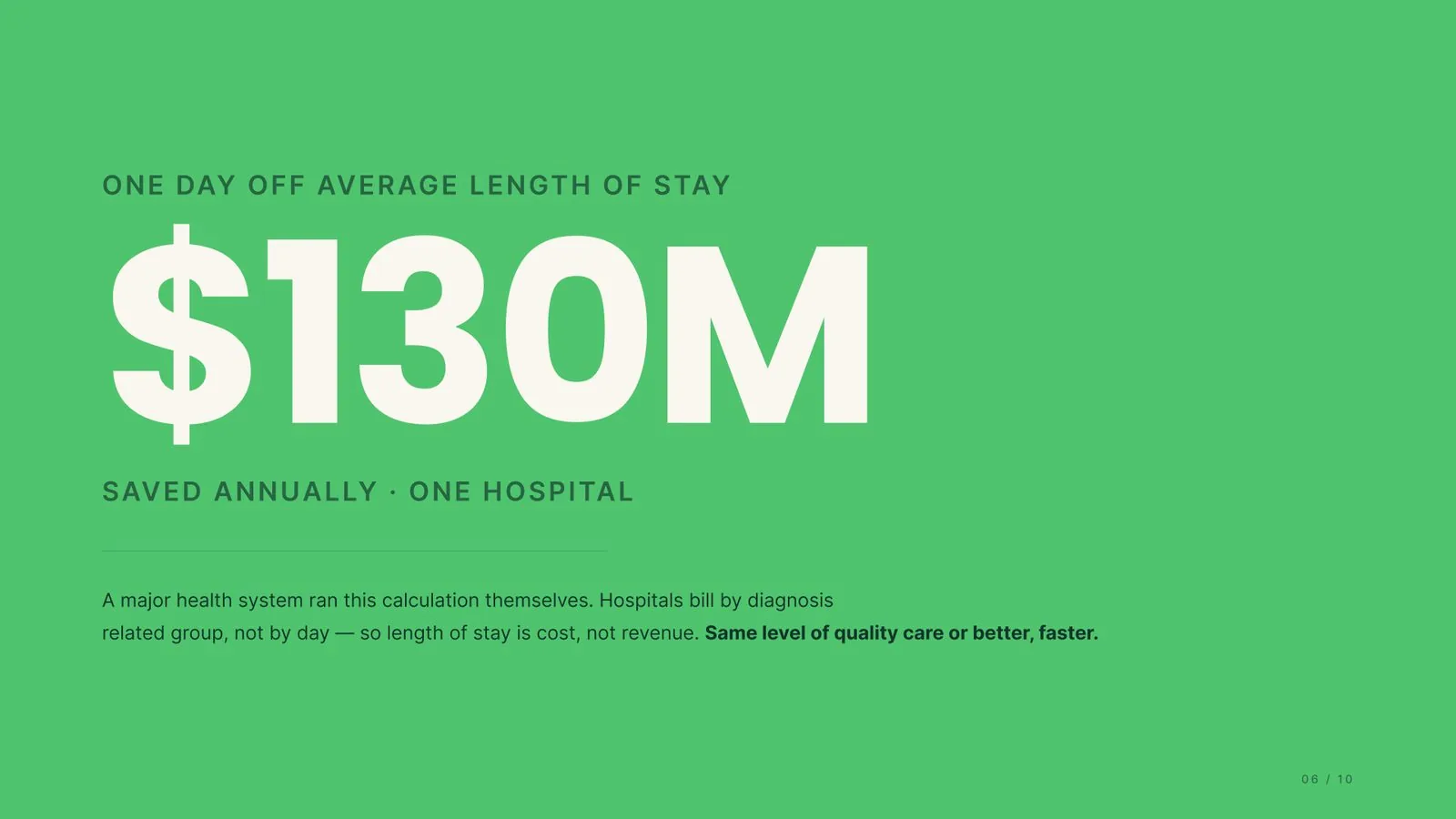
Envello's target metric is length of stay. One major health system told the team that reducing average length of stay by a single day would save it about $130 million a year. Hospitals are generally paid by diagnosis, not by day, so getting patients home sooner at the same quality of care saves real money and frees beds for the critically ill.
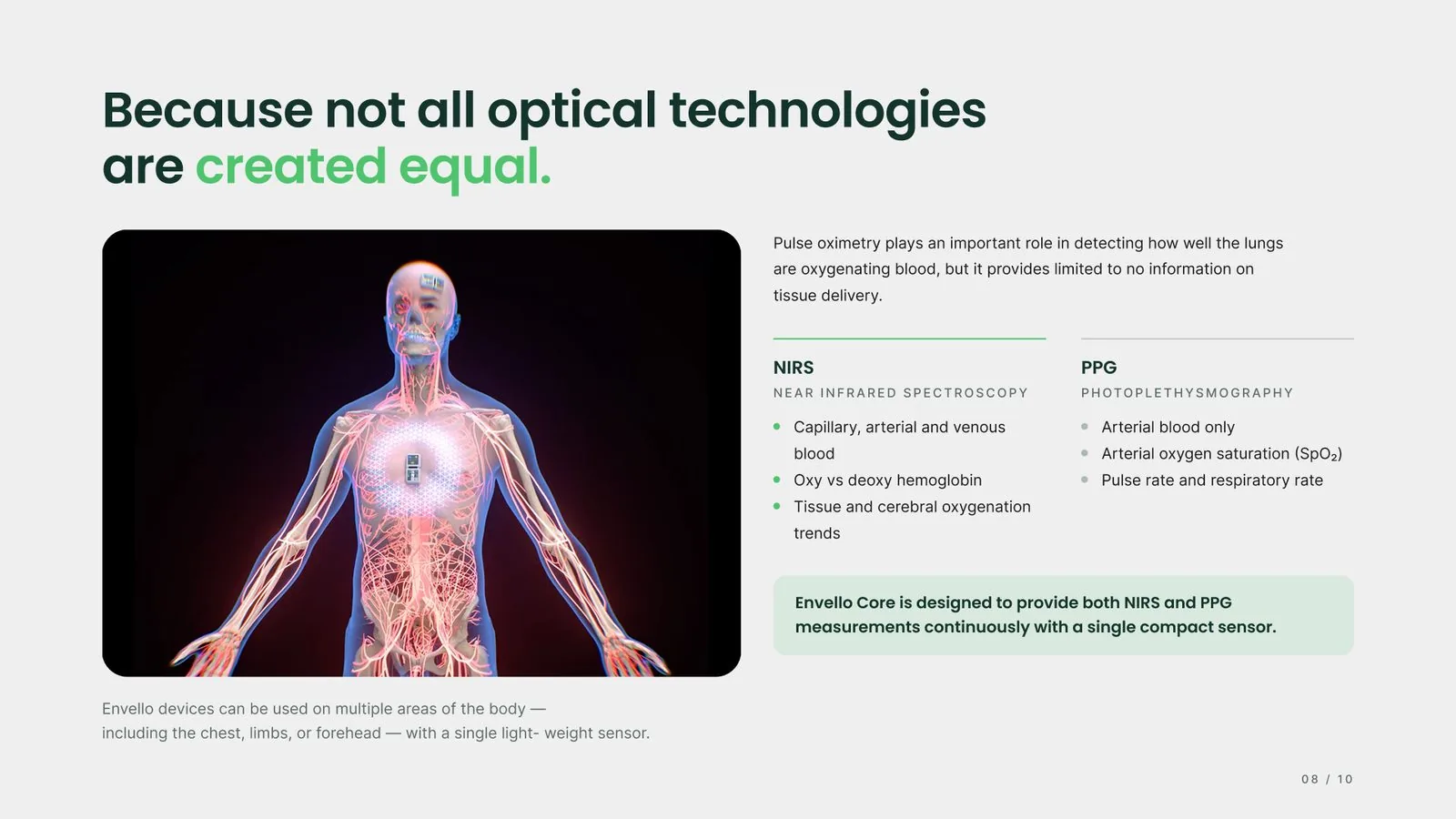
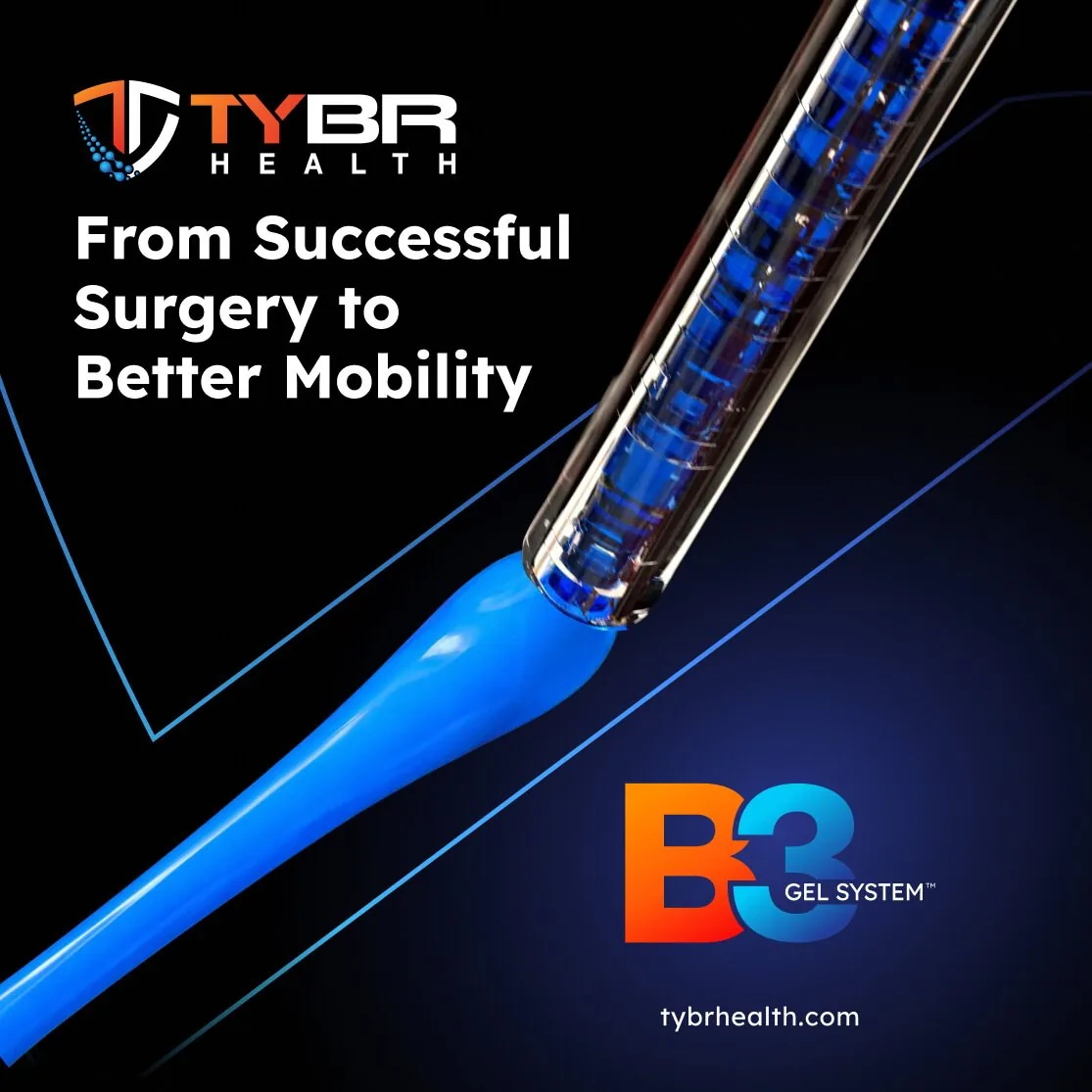
Tim noted the animation Vuelab made for Envello, which shows the sensor at work inside the body. Dan says it does for investors and non-clinical audiences what a long explanation can't.
Where Envello is now
At the time of recording, Envello was preparing its FDA submission, raising its next round, planning clinical research to prove the return on investment, and working with a contract manufacturer. Clearance, as they put it, is the end of the beginning.
Advice for founders: focus, and be honest
Casey's hardest challenge is focus. He loves learning, which makes him agile but easy to pull into new directions, so he balances it with partners who are laser focused. Dan's lesson is about the cold reality of commercialization: a physician saying something is interesting doesn't mean the hospital will buy it. Traction, proof that someone will part with their money, is what investors need to see.
“Anyone who's starting on this journey needs to be extremely honest with themselves. Cool does not cut it.”
Key takeaways
- Defense funding starts with a real problem and clear success criteria, and a dual-use technology can serve both markets.
- Pick the first market with three questions: does anyone care, can we do it, and can we get paid for it?
- Find the one-sentence pitch. Sometimes it is the whole pitch.
- Prove the business case in the buyer's terms, like length of stay.
- Be honest with yourself. Interest is not traction.